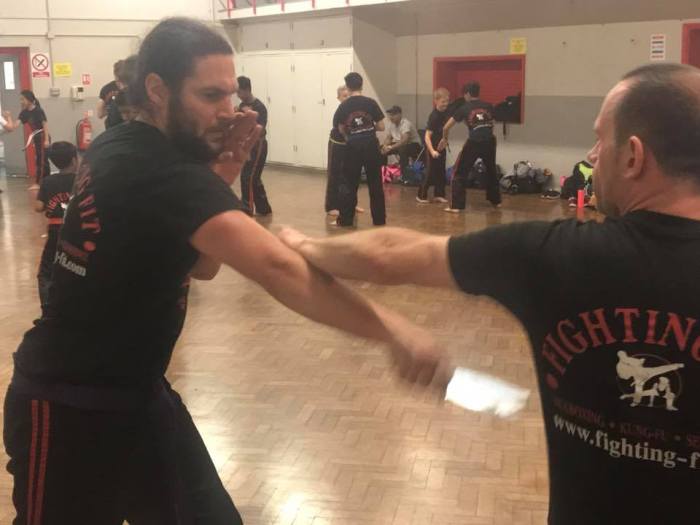
As Traditional vs modern martial arts takes center stage, this opening passage beckons readers into a world filled with rich history and evolution. The clash between age-old techniques and contemporary practices invites enthusiasts of all levels to dive into the dynamic interplay that shapes martial arts today.
From the deep cultural roots of traditional styles that emphasize discipline and respect to the rapid evolution of modern martial arts influenced by various combat sports, this discussion highlights the unique training methodologies and philosophies behind each approach. Understanding these elements not only enriches one’s martial arts journey but also fosters a greater appreciation for the art as a whole.
Traditional Martial Arts
Traditional martial arts carry a rich historical significance and cultural heritage that has evolved over centuries. These practices are deeply rooted in the customs, philosophies, and social contexts of their respective cultures. From the structured forms of Karate in Japan, to the fluid movements of Tai Chi in China, each traditional martial art encapsulates the values, beliefs, and methodologies of its origin, often serving not just as a means of self-defense, but as a way to cultivate discipline, respect, and community bonds.Training methodologies in traditional martial arts often emphasize a holistic approach that integrates physical, mental, and spiritual development.
Practitioners engage in rigorous training regimens that include forms (katas), sparring, and various techniques that are integral to mastering their chosen discipline. These methodologies are designed to instill perseverance and a deep understanding of the art, rather than focusing solely on competitive success. Many traditional martial arts schools prioritize the transmission of knowledge from instructor to student, often incorporating rituals and traditions that reinforce cultural ties.
Historical Significance and Cultural Roots
The historical significance of traditional martial arts can be traced back to ancient times, where they were developed for various purposes such as self-defense, military training, and spiritual growth. Many martial arts originated in specific cultural contexts that shaped their evolution over time. For instance, Kung Fu, which encompasses various styles, has roots in Chinese philosophy, particularly in Buddhism and Taoism, promoting balance and harmony through movement.
Similarly, the Samurai tradition in Japan gave rise to disciplines like Kendo and Aikido, which emphasize honor, respect, and discipline. The cultural roots of traditional martial arts often manifest through distinct practices and rituals. They reflect the societal values of the time, which are preserved in the training and teachings today.
Training Methodologies and Techniques
Training methodologies in traditional martial arts often comprise a diverse range of techniques and practices aimed at developing both physical skills and mental fortitude. Traditional styles typically involve:
- Forms (Katas): Structured patterns of movements that simulate combat scenarios, allowing practitioners to refine their techniques and strategies.
- Sparring (Kumite): Controlled practice with a partner that enhances reflexes, timing, and application of techniques in a live setting.
- Strength and Conditioning: Emphasis on building physical strength, flexibility, and endurance through repetitive drills and exercises specific to the martial art.
- Philosophical Training: Many traditional martial arts integrate philosophical teachings that focus on character development, ethics, and self-discipline.
Each of these methodologies plays a crucial role in the comprehensive training of martial artists, emphasizing that mastery is not just about physical prowess but also about mental and spiritual growth.
Philosophies Behind Traditional Martial Arts
The philosophies behind traditional martial arts often emphasize personal development, respect, and the pursuit of excellence. Unlike many modern practices that may focus primarily on competition and sport, traditional martial arts embed deeper values into their training. Key philosophical tenets include:
- Respect and Humility: Practitioners are taught to respect their instructors, peers, and the traditions of the art, fostering a sense of community.
- Self-Discipline: Training requires commitment and perseverance, which instills the importance of discipline in all aspects of life.
- Benevolence: The goal is often seen as self-improvement and using one’s skills to protect others rather than to seek fame or glory.
- Holistic Development: The focus is on nurturing the body, mind, and spirit, aiming for a balance that transcends physical combat.
In conclusion, these philosophies shape the overall approach to training and the way practitioners engage with the art and each other, creating a profound experience that extends beyond the dojo or training hall.
Modern Martial Arts
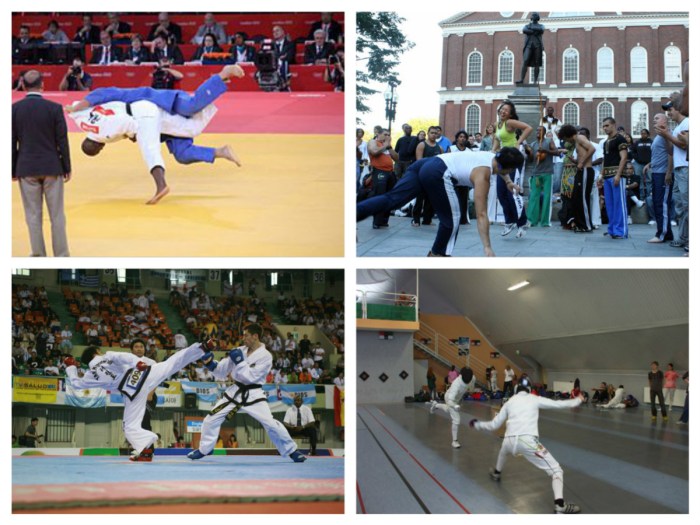
Modern martial arts encompass a range of styles and disciplines that have evolved over the years, influenced by various combat sports and cultural exchanges. Unlike traditional martial arts, which are often rooted in historical practices and philosophies, modern martial arts are more adaptive, pragmatic, and often focus on self-defense, sport, and fitness.The evolution of modern martial arts can be traced back to the blending of traditional techniques and the influence of various combat sports.
The rise of mixed martial arts (MMA) has played a significant role in this evolution, as fighters draw from multiple disciplines to create a well-rounded approach to combat. This cross-pollination has led to the incorporation of techniques from boxing, wrestling, judo, Brazilian jiu-jitsu, and other sports into modern martial arts training, resulting in a more versatile skill set for practitioners.
Popular Modern Martial Arts Styles
Several modern martial arts styles have gained popularity, each with its unique features and techniques. Understanding these styles provides insight into the diverse landscape of modern martial arts.
- Mixed Martial Arts (MMA): An eclectic combat sport that combines techniques from various martial arts disciplines, including striking and grappling. Fighters compete in a cage, showcasing a blend of skills in stand-up striking and ground fighting.
- Kickboxing: A striking sport that incorporates punches and kicks, originating from traditional martial arts and Western boxing. It emphasizes cardiovascular conditioning and is popular for fitness training.
- Brazilian Jiu-Jitsu (BJJ): A grappling-based martial art focusing on ground fighting and submission holds. BJJ practitioners emphasize technique over brute strength, making it accessible to individuals of all sizes.
- Muay Thai: Known as the “Art of Eight Limbs,” this striking art from Thailand involves the use of punches, kicks, elbows, and knees. It is characterized by its powerful strikes and clinching techniques.
- Krav Maga: A self-defense system developed by the Israeli military, focusing on practical techniques for real-world situations. It emphasizes awareness, avoidance, and counter-attacks against armed and unarmed attackers.
The influence of technology and media on modern martial arts cannot be overstated. Online platforms, social media, and streaming services have played a crucial role in popularizing various martial arts styles. Training videos, tutorials, and competitions are widely accessible, allowing practitioners to learn techniques from renowned instructors worldwide.
“Technology has made martial arts more accessible, allowing anyone to learn from the best, regardless of geographical limitations.”
The rise of MMA has also garnered significant media attention, with high-profile events being broadcast globally. This exposure has not only increased the visibility of modern martial arts but also attracted a diverse audience, leading to greater participation and interest in training. Additionally, video games and films featuring martial arts have further fueled public fascination, showcasing the dynamic and exciting aspects of these modern practices.
Differences and Intersections
The realm of martial arts is rich in diversity, showcasing a spectrum of practices that range from ancient traditions to contemporary innovations. Understanding the differences and intersections between traditional and modern martial arts provides insights into their unique training regimens, philosophies, and the ways in which they can coexist in today’s world.Training regimens in traditional martial arts focus heavily on developing foundational skills through repetitive practice and adherence to traditional techniques.
Students often engage in forms, katas, and drills that emphasize discipline and respect for the art’s history. In contrast, modern martial arts training tends to adopt a more flexible approach, incorporating elements from various disciplines, often emphasizing practical self-defense techniques and competitive sparring. This leads to a more adaptive training style that might prioritize efficiency and effectiveness over strict adherence to traditional methods.
Training Regimens
The training regimens showcase distinct methodologies reflective of the philosophies underlying each martial art. Traditional martial arts emphasize:
-
Repetitive practice of forms (katas) to internalize techniques and values.
-
Focus on etiquette, rituals, and respect for instructors and fellow students.
-
A structured progression through belts or ranks that symbolizes mastery and discipline.
On the other hand, modern martial arts often highlight:
-
Dynamic training that adapts to new techniques and innovations, often influenced by mixed martial arts (MMA).
-
Greater emphasis on sparring and practical application to prepare for real-life situations.
-
Incorporation of fitness elements, focusing on physical conditioning alongside martial skills.
Discipline and Respect
Discipline and respect are cornerstones of traditional martial arts, deeply rooted in cultural practices. Students are taught to honor their instructors and adhere to a strict code of conduct. This is often reflected in the rituals observed during training sessions, such as bowing before entering the dojo or before sparring. In contrast, while modern martial arts also instill discipline, the approach may be less formalized.
The focus is often on personal development and adaptability, which can lead to a more relaxed atmosphere.Both types of martial arts can coexist and influence one another, resulting in hybrid practices that draw upon the strengths of each. For example, many modern studios embrace traditional values but employ contemporary training methods to cater to a broader audience. This blending allows students to benefit from the rich history of traditional martial arts while gaining the practical skills needed for today’s dynamic environments.
Coexistence and Influence
The contemporary martial arts landscape is characterized by an interplay between traditional and modern styles, leading to shared practices and mutual enrichment. This coexistence can be seen in various ways:
-
Joint seminars where practitioners of both styles come together to learn and share techniques.
-
Incorporation of traditional forms into modern training regimes, enriching the students’ experience.
-
Cross-training opportunities that allow martial artists to explore different disciplines, fostering innovation.
This blending not only enhances the skill set of martial artists but also promotes a deeper understanding of the philosophical underpinnings that connect these diverse practices. As martial arts continue to evolve, the dialogue between traditional and modern styles promises to foster a vibrant community that values both the past and the future.
Law and Issues in Martial Arts
The practice of martial arts extends far beyond mere physical activity; it intertwines with various legal considerations and ethical dilemmas. Understanding the legal framework within which martial arts operate is crucial for practitioners, instructors, and schools alike. This segment delves into the legal aspects, safety standards, and ethical challenges faced within the martial arts community.
Legal Considerations for Practicing Martial Arts
In different regions, the practice of martial arts is governed by various laws that can significantly influence how instructors teach and how students train. These laws often pertain to self-defense, liability, and minors in training.
- Self-defense Laws: The legal justification for using physical force varies widely. For instance, some jurisdictions allow for greater latitude in self-defense situations, while others have strict limitations. Understanding local laws ensures that martial artists can use their skills responsibly without legal repercussions.
- Liability Issues: Martial arts schools must navigate liability laws to protect themselves from lawsuits. Proper waivers, insurance coverage, and adherence to safety protocols are essential to minimize risks associated with injuries that may occur during training.
- Regulations for Minors: Many regions have specific legal requirements for minors participating in martial arts. This includes parental consent, age restrictions for certain classes, and safety regulations aimed at protecting young practitioners.
Common Safety Standards and Regulations in Martial Arts Schools
Safety standards in martial arts schools are paramount for ensuring a safe training environment. These standards often incorporate both local regulations and best practices recognized by martial arts federations.
- Instructor Certification: Many martial arts organizations require instructors to obtain certification, which often includes training in safety protocols and first aid. This ensures that students are taught by knowledgeable professionals who prioritize safety.
- Equipment Standards: Schools commonly adhere to regulations regarding the use of protective gear, such as headgear and padding. These standards help mitigate injuries during sparring and other high-contact training activities.
- Facility Requirements: Properly maintained training spaces, including the use of mats and safety barriers, are critical to prevent accidents and injuries. Schools must comply with local safety regulations regarding their facilities.
Ethical Issues in Competition and Training
Martial artists often face ethical dilemmas that challenge their values, especially in competitive settings. Understanding these issues is crucial for personal development and maintaining the integrity of the art.
- Sportsmanship: Competing in martial arts requires a commitment to sportsmanship. Practitioners must balance their competitive spirit with respect for opponents, which sometimes conflicts with the instinct to win at all costs.
- Use of Performance Enhancers: The use of performance-enhancing substances poses ethical questions in martial arts, as it undermines the principles of fair competition. Awareness and education regarding this issue are vital for maintaining integrity.
- Bullying and Harassment: Instructors and practitioners must remain vigilant against bullying and harassment within the training environment. Creating a culture of respect and support is essential for the well-being of all participants.
Other Sports Related to Martial Arts
The world of martial arts is diverse and intertwined with various other sports, each offering unique training techniques and benefits. Understanding how these sports relate to martial arts can provide insight into the broader realm of physical conditioning, teamwork, and mental focus. This discussion will explore the comparative aspects of martial arts with other sports, particularly focusing on training methods, the role of martial arts in team settings, and the crossover skills between martial arts and motorsports.
Comparison of Training Techniques
Training in martial arts shares similarities and differences with other sports, such as track and field and strength sports. The following table illustrates these comparison points:
| Sport | Training Focus | Technique Development | Physical Conditioning |
|---|---|---|---|
| Martial Arts | Self-defense techniques, forms, sparring | Repetitive practice of movements, adaptability in combat | Strength, agility, endurance, flexibility |
| Track and Field | Speed, endurance, technique in running events | Focus on sprinting or distance techniques, biomechanics | Cardiovascular fitness, leg strength, core stability |
| Strength Sports | Maximal strength, technique in lifting | Specific lifting techniques, muscle hypertrophy | Muscle strength, power, and explosive conditioning |
The table above highlights the varied focus of training techniques across these sports, emphasizing that while martial arts incorporates discipline and self-defense, track and field and strength sports concentrate more on speed and strength.
Role of Martial Arts in Team Sports
Martial arts can significantly contribute to teamwork and discipline within team sports. The principles learned in martial arts, such as respect, focus, and perseverance, are directly applicable to team dynamics.
- Team-oriented martial arts, like Karate and Judo, often include group training sessions that foster camaraderie.
- The emphasis on individual accountability in martial arts translates into a sense of responsibility within a team.
- Techniques such as kata (forms) can be practiced in pairs or groups, enhancing communication and coordination among athletes.
Martial arts training often develops mental resilience and discipline, which are essential qualities that enhance team performance and cohesion.
Crossover Skills Between Martial Arts and Motorsports
The connection between martial arts and motorsports may not be immediately apparent, but both disciplines require a high level of physical conditioning and mental focus.
Physical Conditioning
Both martial artists and motorsport athletes undergo rigorous strength and conditioning programs. For instance, martial artists need flexibility and core strength for effective strikes, while motorsport athletes require upper body strength and cardiovascular fitness for endurance during races.
Mental Focus
Concentration and mental clarity are crucial in both fields. In martial arts, practitioners must maintain focus during sparring to anticipate opponents’ movements. Similarly, racing drivers must remain mentally sharp to react quickly to track conditions and competitors.In both martial arts and motorsports, the ability to remain calm under pressure and make quick decisions is vital for success. This shared emphasis on mental and physical preparation highlights the interconnectedness of these seemingly disparate sports.
Last Word
In conclusion, the exploration of Traditional vs modern martial arts reveals a fascinating tapestry of techniques, philosophies, and cultural significance. While traditional martial arts ground practitioners in discipline and heritage, modern styles embrace innovation and adaptability, demonstrating that both can coexist harmoniously. As the martial arts landscape continues to evolve, enthusiasts can draw from both realms, enriching their own practice and understanding of this intricate art form.
Q&A
What is the main difference between traditional and modern martial arts?
The main difference lies in their focus; traditional martial arts emphasize cultural heritage and discipline, while modern martial arts prioritize competition and practical application.
Can traditional martial arts be practiced for self-defense?
Yes, traditional martial arts can be effective for self-defense, though their techniques may require adaptation to modern scenarios.
Are modern martial arts influenced by traditional styles?
Absolutely, many modern styles incorporate elements from traditional martial arts, blending techniques to create effective training methods.
How has technology impacted modern martial arts?
Technology has enhanced training methods through the use of online resources, training apps, and social media, making martial arts more accessible to a broader audience.
Do martial arts schools have safety regulations?
Yes, most martial arts schools adhere to safety standards and regulations to ensure a safe training environment for all practitioners.