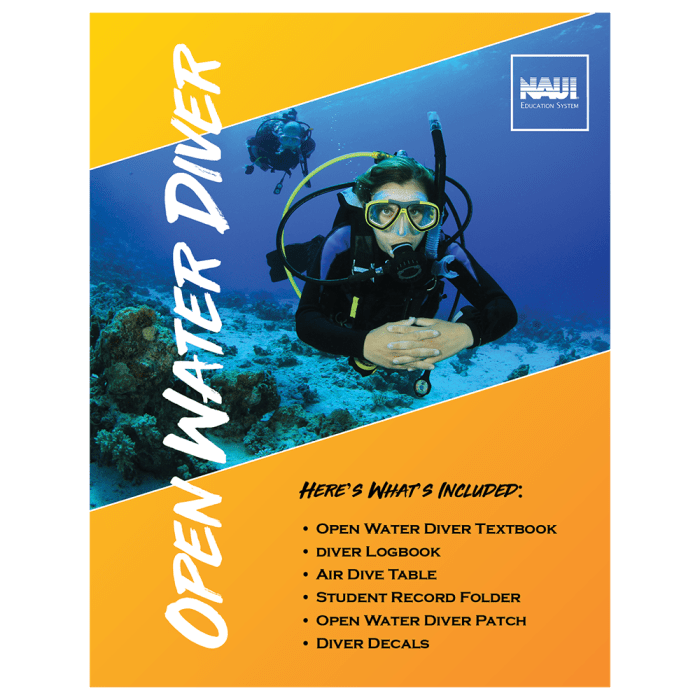
Scuba diving certification online opens up a world of underwater exploration and adventure, making it accessible for anyone with a passion for the ocean. By allowing you to complete courses at your own pace and from the comfort of your home, this approach eliminates traditional barriers to entry. With the right blend of technology and commitment, aspiring divers can gain the skills and knowledge needed to dive safely and confidently.
The online certification process involves several key components, including theoretical lessons, quizzes, and practical skill assessments. While it does provide flexibility, it’s essential to weigh the benefits against potential drawbacks when compared to traditional classroom settings.
Online Scuba Diving Certification
Obtaining scuba diving certification online has become increasingly popular due to its convenience and accessibility. This method allows aspiring divers to learn at their own pace, fitting their studies around their personal schedules. Online courses cover essential diving knowledge, safety practices, and equipment usage, preparing students for real-world diving experiences.The process typically involves enrolling in a reputable online scuba diving program, completing theoretical modules, and passing assessments.
Students must then participate in practical training sessions at a dive center, ensuring they have hands-on experience under the supervision of certified instructors. The courses usually include foundational topics like dive theory, safety protocols, and equipment management.
Required Courses for Certification
To achieve scuba diving certification online, several key courses are required. Each course provides critical knowledge for safe and enjoyable underwater experiences. Here’s an overview of the essential components of the certification process:
- Basic Scuba Diving Theory: This course covers the principles of diving, including physics, physiology, and dive planning.
- Safety Procedures: Students learn about emergency protocols, signaling, and the importance of buddy systems.
- Equipment Familiarization: This includes understanding the various types of scuba gear and their proper usage and maintenance.
- Environmental Awareness: Focuses on marine ecosystems and responsible diving practices to minimize impact.
Benefits and Drawbacks of Online Certification
Online scuba diving certification offers several advantages, but it also comes with limitations. Understanding these benefits and drawbacks can help learners make informed decisions about their diving education.The primary benefits include:
- Flexibility: Learners can study at their convenience, accommodating personal schedules.
- Cost-Effectiveness: Online courses often have lower fees than traditional classroom settings.
- Self-Paced Learning: Students can take the time they need to grasp complex concepts without the pressure of a classroom environment.
However, there are notable drawbacks:
- Lack of Hands-On Experience: Limited practical application until students attend in-person training.
- Reduced Instructor Interaction: Online formats can lead to less direct communication and immediate feedback.
- Self-Motivation Required: Students need to be disciplined and self-driven to complete the coursework effectively.
Technological Requirements and Tools
Engaging with online scuba diving certification necessitates specific technological tools and requirements to ensure a smooth learning experience. Here are the key elements needed:
- Computer or Tablet: A reliable device that can access online course materials and video content.
- Stable Internet Connection: Essential for streaming video lectures and participating in live sessions.
- Webcam and Microphone: Required for interaction during virtual classes, especially during discussions or Q&A sessions.
- Learning Management System (LMS): A platform that hosts the course materials, quizzes, and forums for student communication.
“The combination of flexibility and accessibility makes online scuba diving certification an appealing choice for many aspiring divers.”
In summary, while online scuba diving certification provides a modern approach to learning underwater skills, it is important for students to weigh the benefits against the limitations. Ensuring access to the right technology and committing to the learning process will empower learners to achieve their diving goals effectively.
Legal Considerations in Scuba Diving
Scuba diving is an exhilarating sport enjoyed by many, but it also comes with a complex web of legal considerations. Understanding the regulations and legal issues surrounding scuba diving certifications is crucial for both divers and operators. This ensures safety, compliance, and protection from potential legal liabilities that may arise during diving activities.
Legal Issues Related to Scuba Diving Certifications and Regulations
Diving certifications are governed by international standards and national regulations that vary significantly across different countries. Each region may have specific requirements for certification agencies, instructor qualifications, and safety protocols. The significance of adhering to these regulations cannot be overstated, as failure to comply can result in severe legal repercussions. Key legal issues include:
- Certification Validity: Divers must ensure that their certifications are recognized by local authorities and dive operators to avoid issues during dives.
- Age Restrictions: Many regions have minimum age requirements for divers, affecting who can participate in scuba diving activities.
- Health Regulations: Divers are often required to complete medical questionnaires, and operators must be aware of health and safety guidelines to avoid liability.
- Environmental Regulations: Compliance with local laws regarding marine conservation is essential to minimize environmental impact and avoid fines.
Liability Waivers and Their Importance in the Scuba Diving Industry
Liability waivers play a critical role in the scuba diving industry, serving to protect dive operators from legal claims arising from accidents or injuries that may occur during diving activities. These waivers are legal documents that divers sign prior to participating in dives, acknowledging the inherent risks involved in the sport.The importance of liability waivers includes:
- Informed Consent: Waivers ensure that divers are fully aware of the risks, which is crucial for informed decision-making.
- Legal Protection: Operators are better protected against lawsuits when divers acknowledge and accept the risks associated with diving.
- Risk Management: Waivers encourage both divers and operators to maintain high safety standards, as they Artikel expectations and responsibilities.
“A liability waiver is not a free pass for negligence; it is a way to clarify the responsibilities of both parties involved.”
Role of Dive Insurance in Protecting Divers and Operators
Dive insurance is an essential component of scuba diving safety, providing financial protection for both divers and diving operators. This type of insurance typically covers medical expenses, emergency evacuation, and liability claims, ensuring that all parties are safeguarded against unforeseen circumstances.Factors that underline the role of dive insurance include:
- Emergency Medical Coverage: Dive insurance can cover expenses related to decompression sickness or other diving-related injuries, which can be exceptionally high.
- Personal Liability: It protects divers against claims from property damage or injury to others while diving.
- Operator Protection: Insurance for dive operators can cover costs associated with legal claims, thus ensuring business continuity.
In summary, legal considerations in scuba diving encompass a range of issues concerning certifications, liability waivers, and insurance, all of which are vital for the safety and security of participants in this adventurous sport.
Related Water Sports and Certifications
Engaging in water sports offers an exhilarating way to explore the aquatic world, and obtaining certifications in these activities enhances safety, skill, and enjoyment. Scuba diving, surfing, and snorkeling represent a trio of popular water sports that come with their own certifications, each catering to different interests and skill sets. Understanding these certifications helps enthusiasts navigate their water sporting journey while prioritizing safety.Scuba diving certification is often viewed within its unique context, but comparisons with other water sports certifications reveal varying requirements and experiences.
While scuba diving opens up the depths of the ocean, surfing and snorkeling offer different approaches to enjoying water. Each certification emphasizes safety and proficiency, which are crucial across all water sports. Below, we explore the distinctions between these certifications and provide guidance on transitioning between activities.
Comparative Overview of Certifications
Different water sports certifications focus on the skills necessary for safe participation. Here’s a breakdown of the key certifications for scuba diving, surfing, and snorkeling:
- Scuba Diving: Typically requires completion of a recognized course, such as PADI or SSI, where participants learn about underwater navigation, equipment use, and emergency procedures. Certification levels range from Open Water to Divemaster.
- Surfing: No formal certification is universally required; however, many surfing schools offer courses that can provide a foundation in wave riding, etiquette, and safety practices. The emphasis is on skill development and surf-related knowledge.
- Snorkeling: Similar to surfing, snorkeling often doesn’t require a formal certification, but classes can enhance safety and enjoyment. Participants learn about equipment use, marine life awareness, and surface swimming techniques.
Both scuba diving and surfing require a degree of physical fitness and water safety awareness, while snorkeling often caters to a broader audience, including novices. It’s important for enthusiasts to recognize their comfort levels and aspirations when selecting a sport and pursuing certification.
Transitioning Between Water Sports
Transitioning between scuba diving, surfing, and snorkeling can be seamless when the foundational skills overlap. Here’s a guide to facilitate this process:
- From Scuba Diving to Surfing: Scuba divers possess strong swimming skills and comfort in the water, which are advantageous when learning to surf. Familiarity with ocean conditions and navigation also translates well.
- From Surfing to Scuba Diving: Surfing experience helps with adaptability to varying water conditions, but divers must learn specific scuba techniques, such as buoyancy control and equipment management.
- From Scuba Diving to Snorkeling: Scuba divers can easily transition to snorkeling since they already understand essential aquatic safety and equipment usage, enhancing their snorkeling experience.
- From Snorkeling to Scuba Diving: While snorkeling is less technical, it serves as a great introduction to marine environments. Transitioning involves gaining diving skills and familiarity with scuba gear.
Emphasizing the transferability of skills helps individuals feel confident when exploring different water sports, enhancing their overall enjoyment and competence.
Importance of Safety Training Across Water Sports
Safety training is a cornerstone of participating in any water sport. It establishes a framework for understanding risks and implementing safe practices. The connection between scuba diving and other water sports is evident in several ways:
- Emergency Preparedness: Safety courses in all water sports cover emergency scenarios, life-saving techniques, and proper responses to various situations, fostering confidence and awareness.
- Equipment Familiarization: Proper training ensures users know how to select, use, and maintain their gear, from scuba tanks to surfboards, minimizing accidents.
- Environmental Awareness: Safety courses emphasize respect for marine ecosystems, which is vital across all sports to protect wildlife and preserve underwater habitats.
Investing time in safety training not only enhances personal skills but also promotes a culture of safety among peers in the water sports community. As participants move between disciplines, the commitment to safety remains constant, contributing to enjoyable and responsible aquatic adventures.
Summary
In summary, pursuing scuba diving certification online offers a unique and flexible pathway to enter the fascinating world of diving. While it comes with its own set of challenges and considerations, the rewards of becoming certified and exploring the underwater realm are undoubtedly worth it. Whether you’re transitioning from other water sports or diving in for the first time, this certification can be your gateway to unforgettable experiences beneath the waves.
Commonly Asked Questions
How long does it take to get certified online?
The duration varies, but most online courses can be completed in a few days to a few weeks, depending on your pace.
Is online scuba certification recognized globally?
Yes, most major certification agencies offer online courses that are recognized worldwide.
Do I need to complete pool training in person?
Yes, practical skills training must typically be completed in a supervised setting, but the theory can be done online.
Can I use my certification for travel diving?
Absolutely, once certified, you can use your certification at dive shops and resorts around the world.
What’s the minimum age for online scuba certification?
The minimum age can vary by agency, but it’s typically around 10-12 years for junior certifications.