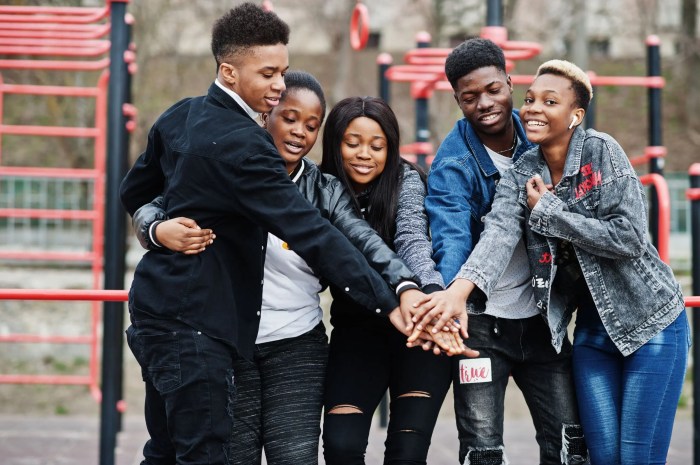
Youth team sports programs serve as a vibrant arena where young individuals can thrive both physically and socially. Engaging in these activities offers not only a chance to improve fitness but also a platform to develop essential life skills like teamwork, communication, and resilience.
From soccer to basketball, the diversity within team sports caters to various interests and capabilities, fostering an inclusive environment that encourages participation and personal growth. This makes youth sports an invaluable aspect of development during formative years.
Importance of Youth Team Sports Programs
Participating in youth team sports programs holds significant importance for the overall development of children. These programs not only enhance physical fitness but also contribute greatly to mental well-being. Engaging in team sports allows youth to cultivate essential life skills that extend beyond the playing field.The benefits of participation in youth team sports programs are multifaceted. On a physical level, regular engagement in sports promotes cardiovascular health, strengthens muscles, and improves coordination and flexibility.
According to the Centers for Disease Control and Prevention (CDC), children who are physically active are more likely to maintain a healthy weight and develop a positive body image. Additionally, team sports can relieve stress and anxiety, fostering better mental health. Team members often experience improved self-esteem and confidence as they work toward shared goals and celebrate collective achievements.
Promotion of Social Skills and Teamwork
Youth sports programs are instrumental in developing social skills and teamwork among participants. The collaborative nature of team sports encourages children to interact and communicate effectively with their peers. Through these interactions, they learn to navigate social dynamics, share responsibilities, and support one another during challenging moments. The following points highlight the key social benefits derived from team sports involvement:
- Enhanced Communication Skills: Regular interaction with teammates requires effective communication, promoting clarity in expression and active listening.
- Conflict Resolution: The competitive environment of sports helps youth learn to manage disagreements and find constructive solutions.
- Building Friendships: Shared experiences foster deep connections, often leading to lifelong friendships beyond the sport.
- Unity and Cohesion: Working towards a common goal helps instill a sense of belonging and camaraderie among team members.
In addition to enhancing communication and conflict resolution, team sports create a supportive environment where participants can encourage one another, fostering resilience and determination.
Comparison of Team Sports and Individual Sports
When comparing the outcomes of youth involved in team sports versus individual sports, distinct differences in personal development can be observed. Team sports typically provide a collaborative atmosphere that nurtures interpersonal skills, while individual sports focus more on self-reliance and personal achievement. Here are some noteworthy distinctions:
- Leadership Skills: Team sports often allow youth to take on leadership roles, developing decision-making abilities and accountability.
- Social Interaction: Participants in team sports have more opportunities for socialization, which can lead to greater emotional intelligence.
- Shared Goals and Accountability: Team settings encourage participants to work together and hold each other accountable, enhancing motivation and commitment.
- Collective Success and Failure: Experience in team settings teaches youth to celebrate victories together and learn from losses as a unit, fostering a sense of resilience.
“The real power of team sports lies in the lessons learned about teamwork, communication, and community.”
The differences in these developmental outcomes illustrate the profound impact that youth team sports programs can have on personal growth, preparing young athletes not only for the field but also for life beyond sports.
Legal Issues Surrounding Youth Sports
Youth sports programs, while beneficial for development and teamwork, are accompanied by various legal concerns that must be addressed to ensure safety and compliance. Legal issues can arise from liability, safety regulations, and the responsibilities of those involved in youth sports, including coaches and organizations. Understanding these challenges is crucial for the successful operation of any youth sports program.
Common Legal Concerns in Youth Sports
Youth sports programs face several legal issues primarily related to liability and safety standards. Organizations must adhere to safety regulations designed to protect young athletes from injury. Neglecting to comply with these regulations can result in significant legal consequences. The following points highlight the key legal concerns:
- Liability for Injuries: Programs must have liability waivers for parents to sign, acknowledging the risks involved in participation. Without these waivers, organizations could face lawsuits for injuries sustained during activities.
- Compliance with Safety Standards: Adhering to state and federal safety regulations is essential. This includes ensuring that equipment is safe and that facilities meet safety guidelines, minimizing the risk of accidents.
- Insurance Requirements: Adequate insurance coverage is necessary to protect against potential legal claims. This includes general liability insurance to cover injuries and accidents that may occur during practices or games.
Importance of Parental Consent
Obtaining parental consent is a critical component of youth sports programs, serving to inform parents of the risks associated with participation. The implications of not securing this consent can be severe for organizations. When parents are not adequately informed, they may pursue legal action if their child sustains an injury. Therefore, consent forms should be comprehensive and clearly Artikel the risks involved in the activities.
“Parental consent is not just a formality; it is a safeguard for both the child and the organization, ensuring everyone is aware of potential risks.”
Coaches’ Role in Legal Compliance
Coaches play an essential part in ensuring that youth sports programs comply with laws and regulations. They are often on the front lines of implementing safety protocols and ensuring that all participants follow established guidelines. Responsibilities include:
- Training and Certification: Coaches should be trained in first aid and safety regulations to effectively manage emergencies and minimize risks.
- Monitoring Participant Safety: Coaches must regularly assess the safety of the playing environment and equipment to identify potential hazards.
- Education on Policies: It is vital for coaches to educate both athletes and parents about rules, policies, and the importance of following safety procedures.
In conclusion, the legal landscape surrounding youth sports is multifaceted, encompassing liability, parental consent, and the active role of coaches in compliance. By addressing these concerns, youth sports programs can create a safer environment for young athletes while minimizing legal risks.
Diversity of Youth Sports Programs
Youth sports programs come in various forms, catering to a wide range of interests and abilities. This diversity is crucial for engaging young participants, as it allows them to explore their passions, develop new skills, and foster friendships. By offering a mix of team and individual sports, youth sports programs ensure that every child can find an activity that resonates with them.Different sports provide unique benefits and experiences.
For instance, team sports such as soccer or basketball promote teamwork, communication, and social interaction, while individual sports like swimming, gymnastics, or martial arts focus on personal discipline and self-improvement. Each type of sport can cater to varied interests, ensuring that every young athlete has the opportunity to shine.
Types of Youth Sports Programs
The following list Artikels various types of youth sports programs, highlighting the breadth of options available to young athletes:
- Team Sports
- Soccer
- Basketball
- Baseball
- Football
- Volleyball
- Individual Sports
- Swimming
- Gymnastics
- Tennis
- Martial Arts (Karate, Taekwondo, Judo)
- Track and Field
- Adventure and Outdoor Sports
- Rock Climbing
- Cycling
- Kayaking
- Skiing and Snowboarding
- Strength and Fitness Programs
- Weightlifting (for appropriate age groups)
- CrossFit for Kids
- Yoga
- Motorsports
- Go-Kart Racing
- Motocross
- Junior Drag Racing
Participation in youth sports varies significantly across different activities, showcasing unique trends and preferences among young individuals. While team sports tend to attract a larger share of participants, individual sports also maintain strong appeal. The data suggests that roughly 60% of youth engage in team sports, driven by the social aspects and camaraderie they offer. Conversely, participation in individual sports such as martial arts or swimming accounts for approximately 25%, highlighting their importance in promoting personal growth and discipline.
Team sports excel in fostering social skills, while individual sports emphasize personal achievement and self-reliance.
Understanding the diversity of youth sports programs is vital for parents, coaches, and community leaders aiming to create inclusive and engaging sporting environments. By recognizing and promoting various types of activities, they can ensure that all young people have the chance to be active, learn skills, and enjoy the benefits of sports participation.
Final Thoughts
In summary, youth team sports programs play a crucial role in shaping well-rounded individuals, equipping them with skills that extend far beyond the field. As we explore the legal, social, and diverse facets of these programs, it becomes clear that their impact is profound, paving the way for healthier, more engaged young citizens.
Detailed FAQs
What age groups are typically involved in youth team sports programs?
Youth team sports programs generally cater to children and teenagers aged 5 to 18 years old.
How can parents support their children in youth sports?
Parents can encourage their children by attending games, helping with practice, and promoting a positive attitude towards teamwork and sportsmanship.
Are there financial assistance options for youth sports programs?
Many organizations offer scholarships or sliding scale fees to ensure that all children can participate regardless of financial circumstances.
What are the main health benefits of participating in youth team sports?
Participating in youth team sports can improve cardiovascular health, build strength, enhance coordination, and promote mental well-being.
How do youth team sports programs address safety concerns?
These programs typically implement safety protocols, including regular equipment checks, trained coaches, and first aid preparedness to ensure participant safety.