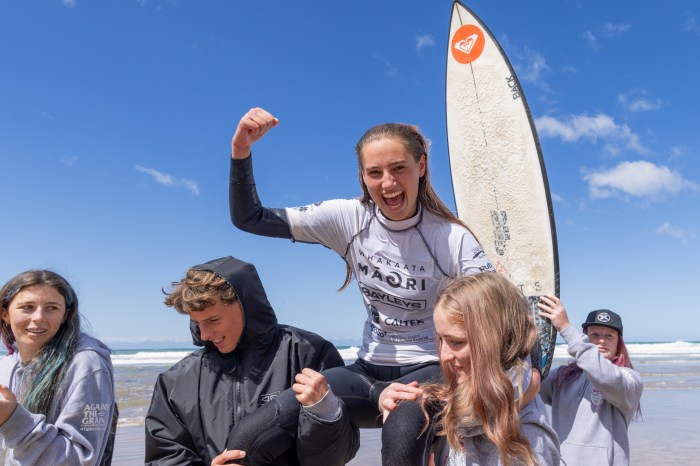
Surfing competitions 2025 are set to make waves, showcasing the thrilling evolution of this beloved sport. With a rich history and a growing global fanbase, these events not only emphasize athletic prowess but also the vibrant culture surrounding surfing.
This year, a series of high-profile competitions will be hosted in stunning locations, drawing elite surfers from around the globe. Each event promises to bring excitement, community, and even a few surprises as athletes battle for glory on some of the world’s best waves.
Surfing Competitions Overview
The world of surfing competitions has undergone a remarkable evolution leading up to 2025, transitioning from informal beach contests to highly organized events that attract global participants and audiences. Surfing has shifted from a niche sport to a significant player in the realm of global athletics, driven by increasing popularity and media coverage. Recent technological advancements and the rise of social media have further contributed to the sport’s visibility and accessibility, creating a vibrant culture around competitive surfing.Surfing competitions showcase the best talent from around the world, with various prestigious events scheduled for 2025.
These competitions not only highlight the skills of individual surfers but also play a crucial role in promoting the sport on an international scale. The following are some of the major surfing competitions set for 2025, including their locations and dates, which are pivotal in shaping the competitive surfing landscape.
Major Surfing Competitions in 2025
The year 2025 features a range of esteemed surfing competitions that serve as milestones for athletes and fans alike. Each event provides a unique opportunity for surfers to demonstrate their prowess, compete for significant titles, and earn points toward world rankings.
- World Surf League (WSL) Championship Tour
- Event: Quiksilver Pro Gold Coast
- Date: March 1-12, 2025
- Location: Gold Coast, Australia
- International Surfing Association (ISA) World Surfing Games
- Event: ISA World Surfing Games
- Date: May 15-25, 2025
- Location: La Gravière, Hossegor, France
- Big Wave World Tour
- Event: Eddie Aikau Big Wave Invitational
- Date: January 2025 (exact date dependent on surf conditions)
- Location: Waimea Bay, Hawaii
- Longboard Tour
- Event: Malibu Longboard Championships
- Date: September 10-15, 2025
- Location: Malibu, California, USA
The significance of these competitions extends beyond mere sport; they are deeply woven into the fabric of popular culture. Surfing has inspired countless films, music, and art, creating a lifestyle that resonates with people worldwide. The competitive aspect brings an energetic spirit, attracting sponsorships, media attention, and fan engagement that drive the sport’s growth.
“The ocean is a canvas, and surfers are the artists; competitions are the exhibitions that showcase their masterpieces.”
As surfing competitions continue to evolve, they shape the future of the sport, influencing its development and fostering a sense of community among surfers and fans alike.
Legal and Regulatory Issues in Surfing Competitions

Navigating the legal landscape of surfing competitions involves understanding various regulations that govern the sport across different countries. This discussion highlights critical legal frameworks, the influence of environmental laws, and athletes’ rights in surfing events. The increasing popularity of surfing necessitates a thorough examination of these legal aspects to ensure fair play, safety, and environmental stewardship.Legal regulations surrounding surfing competitions vary significantly from country to country, influenced by local laws and cultural practices.
For instance, the United States implements regulations through the World Surf League (WSL), which enforces rules concerning competition formats, athlete eligibility, and safety protocols. In Australia, the Australian Surfing Federation oversees competitions, ensuring adherence to national standards as well as environmental considerations. The European Surfing Federation regulates events across multiple nations, emphasizing compliance with both sporting and environmental legislation.
Impact of Environmental Laws on Surfing Events
Environmental laws play a crucial role in shaping surfing competitions, especially in coastal regions. These regulations often aim to protect marine ecosystems, wildlife habitats, and water quality, which in turn affects where and how competitions are held. For example, the Clean Water Act in the United States mandates that surfing events must adhere to strict water quality standards, ensuring that participants are not exposed to harmful pollutants.
Similarly, in countries like Costa Rica, environmental impact assessments are required before any major surfing event can take place to safeguard local biodiversity.
“The intersection of sports and environmental law is essential for protecting our oceans and beaches, which are the lifeblood of surfing.”
The following points summarize the main environmental regulations influencing surfing competitions:
- Compliance with water quality standards to protect athletes’ health and maintain safe competition conditions.
- Mandatory environmental impact assessments prior to large events to evaluate potential ecological disruption.
- Local government regulations aimed at conserving marine life and habitats, which can restrict competition locations.
- International treaties, such as the Convention on Biological Diversity, influencing national laws protecting coastal ecosystems.
Athlete Rights During Competitions
Athletes in surfing competitions have specific rights that are protected under various legal frameworks, including labor laws and sports regulations. These rights encompass fair treatment, safe working conditions, and the right to participate in competitions without discrimination. As the sport evolves, some athletes have initiated legal battles to address concerns like sponsorship agreements, payment structures, and health insurance provisions.Recent cases illustrate the struggle for improved conditions within the sport.
For instance, the lawsuit filed by professional surfers against the WSL regarding the classification of athletes as independent contractors rather than employees has sparked significant debate. This classification impacts athletes’ access to benefits, including healthcare and retirement plans, fundamentally altering their financial security.
“Recognition as employees would allow surfers to secure better protections and benefits, leveling the playing field in the competitive landscape.”
The following list highlights key aspects of athlete rights in surfing competitions:
- The right to fair wages and financial support from sponsors and event organizers.
- Access to healthcare and insurance coverage for injuries sustained during competitions.
- Protection against discrimination based on gender, ethnicity, or performance-related factors.
- Opportunities for athletes to voice concerns and advocate for better regulations and practices within the sport.
Cross-Sport Comparisons and Trends
Surfing competitions are known for their unique structure and cultural significance, standing out among various water sports. Although they share some similarities with other aquatic events, the organization, athlete training, and performance analytics differ considerably. This section delves into how surfing compares with other sports, particularly in terms of athlete preparation and the evolving landscape of competition.
Comparison of Organizational Structures
The organization of surfing competitions is characterized by a flexible event format that adapts to natural conditions. Unlike traditional water sports such as rowing or swimming, which follow strict schedules and locations, surfing events prioritize wave conditions and oceanic variables. Competitions like the World Surf League (WSL) often showcase a series of events held at different locations throughout the season, allowing for real-time adjustments based on weather and surf conditions.Other water sports, however, tend to follow standardized formats.
For example, swimming events occur in controlled environments like pools, where heats, finals, and timings are pre-established. Similarly, rowing competitions typically have fixed race distances and schedules, with lanes assigned to teams. This contrast highlights that while surfing thrives on environmental unpredictability, many other water sports benefit from structure and predictability, affecting how events are organized and experienced.
Athlete Performance and Preparation Methods
Analyzing athlete preparation reveals interesting trends across different sports. In surfing, athletes often focus on agility, balance, and core strength, training with surf-specific exercises that mimic wave-riding movements. This might include using stability boards or engaging in plyometric exercises to enhance their explosive power and flexibility. In comparison, strength sports like weightlifting emphasize muscle mass and power output, with rigorous regimens focused on maximizing lifting capabilities.
These athletes might devote substantial time to strength training, using free weights or machines to build their foundational strength. Additionally, martial arts training emphasizes discipline, technique, and mental fortitude. Athletes often engage in rigorous sparring, flexibility routines, and cardio, with a strong focus on both physical and mental aspects of competition. This diverse approach showcases that while surfing prioritizes adaptability to shifting ocean conditions, strength sports and martial arts hone in on fixed, quantifiable skills through dedicated practice.
Differences in Training and Competition Approaches
The distinction between individual and team sports is vividly illustrated through their training methodologies. Individual sports like surfing require self-reliance and personal strategy. Athletes often train alone or in small groups, focusing on personal goals and adapting techniques based on their own experiences with waves. This self-directed approach fosters innovation and personal style, as surfers develop their unique techniques and responses to varying surf conditions.Conversely, team sports emphasize collaboration, coordination, and shared strategies.
For instance, in sports like soccer or basketball, players train as a unit, working on team plays, communication, and tactical movements. The support system within a team creates a different dynamic, where athletes rely heavily on each other’s strengths and weaknesses. They often engage in drills that promote teamwork, cohesion, and collective performance, which contrasts sharply with the solitary nature of surfing.In summary, while surfing competitions exhibit a distinctive organizational structure shaped by environmental factors, they contrast with the rigidity of other water sports.
The preparation methodologies across various athletic disciplines reveal a spectrum of focus areas, from strength training to technique refinement. Finally, the approach to training and competition further delineates the unique characteristics of individual sports like surfing, as compared to the collaborative essence of team sports.
Outcome Summary
As we look forward to Surfing competitions 2025, it’s clear that these events are more than just competitions; they are celebrations of passion, skill, and the ocean’s allure. With ongoing discussions about legality, athlete rights, and environmental impacts, the landscape of surfing continues to evolve, promising a bright future for the sport.
Frequently Asked Questions
What major competitions are happening in 2025?
Key events include the World Surf League Championship Tour, the ISA World Surfing Games, and various national championships, all showcasing top talent in prime surf locations.
How do environmental laws affect surfing competitions?
Environmental regulations ensure that surfing events promote sustainability and protect coastal ecosystems, which can influence event planning and execution.
What are common athlete rights during competitions?
Athletes have rights to fair treatment, safety, and the ability to voice concerns regarding competition conditions, which are increasingly recognized in legal frameworks.
How do surfing competitions compare to other sports?
Surfing competitions are often more individualized compared to team sports, focusing on personal performance and style, yet they share the same level of intense preparation and competition.
What trends are emerging in athlete preparation for surfing?
Trends include the integration of technology for performance analysis, enhanced fitness training regimens, and mental conditioning techniques borrowed from other sports.