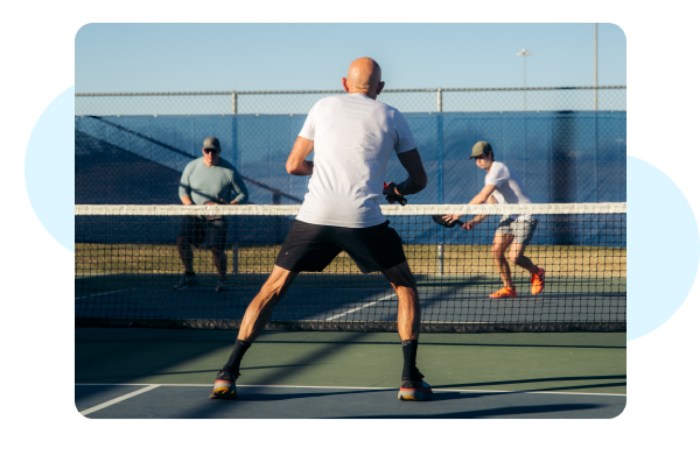
Pickleball popularity 2025 is set to soar as this dynamic sport captures the hearts of players across all ages. With its unique blend of tennis, badminton, and ping-pong, pickleball offers an accessible and engaging experience that attracts a diverse crowd.
The surge in participation rates and the increasingly favorable demographics highlight how pickleball is becoming a staple in recreational activities, particularly in urban areas where space for traditional sports may be limited. As more people discover the joy of playing, it’s clear that pickleball is not just a passing trend but a significant player in the sports landscape.
The Rise of Pickleball
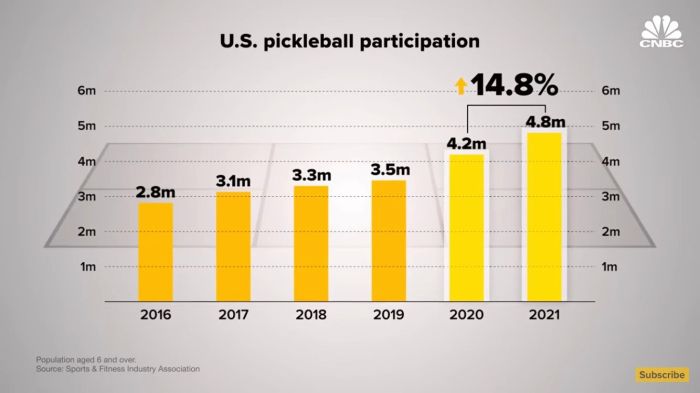
Over the past few years, pickleball has experienced an unprecedented surge in popularity, becoming one of the fastest-growing sports in the United States. This dynamic game, which combines elements of tennis, badminton, and table tennis, has captivated a diverse audience, leading to increased participation rates across various demographics. The growth of pickleball can be attributed to several key trends and statistics that highlight its expanding reach and appeal.
According to the Sports & Fitness Industry Association (SFIA), participation in pickleball has increased by over 20% annually since 2020, with approximately 4.8 million players in the U.S. alone. This rise in participation is not just a fad; it reflects a broader cultural shift towards more accessible and social forms of physical activity.
Participation Rates and Demographic Trends
The increase in pickleball participation is marked by notable demographic shifts. The sport is attracting individuals from various age groups, particularly younger players and seniors, fostering a unique intergenerational community.
- Statistics reveal that around 36% of pickleball players are aged 18-34, while 29% are 55 and older, showcasing its wide appeal.
- The sport is increasingly popular among women, with female participation rising significantly, now accounting for over 40% of players.
- The inclusive nature of pickleball makes it attractive to diverse racial and ethnic groups, with participation among Black and Hispanic communities seeing growth as organizations actively promote the sport in these demographics.
Geographically, pickleball is gaining traction in specific regions where community supports and facilities are more readily available.
- States like California, Florida, and Texas are leading the charge, with numerous dedicated courts and clubs popping up.
- Urban areas are also witnessing a boom, as parks and recreation departments respond to demand by converting existing tennis courts into pickleball-friendly spaces.
The appeal of pickleball can be further illustrated by its adaptability and the sense of community it fosters. Many cities are hosting local tournaments and leagues, encouraging friendly competition and social interaction among players of all skill levels.
“Pickleball is not just a game; it’s a growing community that brings people together, regardless of age or skill level.”
As pickleball’s rise continues, it is clear that this sport is here to stay, carving out its place in the fabric of recreational activities enjoyed by millions across the country.
Impacts on Other Sports and Recreation
The rise of pickleball has created a ripple effect within the sports community, influencing participation rates, equipment choices, and facility usage across various sports. As more people gravitate toward pickleball, the implications for traditional racquet sports, particularly tennis, become increasingly pronounced. Exploring these impacts reveals a complex landscape where interests and priorities are shifting among recreational athletes.
Impact on Participation in Traditional Racquet Sports
The growing popularity of pickleball is drawing a significant number of players away from traditional racquet sports, particularly tennis. Several factors contribute to this trend. For instance, pickleball courts are typically more accessible, often utilizing existing tennis facilities by converting them into dual-use spaces. This ease of access appeals to new players who may find the learning curve of tennis steep.
Reports indicate that tennis participation has seen a decline of approximately 5% in areas where pickleball has gained a foothold, suggesting a direct correlation between the two sports.
Cost-Effectiveness of Pickleball
Pickleball stands out in terms of cost-effectiveness when compared to other sports. The financial commitment required for entry into pickleball is notably lower, making it an attractive option for many. Key points of comparison include:
- Equipment Costs: A basic pickleball paddle can range from $10 to $150, while tennis rackets usually start at around $30 and can go up to several hundred dollars for high-end models.
- Facility Expenses: Many community parks offer free or low-cost access to pickleball courts, whereas tennis courts may charge fees or require memberships.
- Maintenance Costs: Pickleball courts require less maintenance than traditional tennis courts, leading to lower costs for facilities hosting both sports.
The affordability of pickleball allows players of all ages and backgrounds to participate, fostering community engagement and recreational opportunities.
Challenges Facing Other Sports
As pickleball continues to gain traction, other sports face unique challenges. Traditional racquet sports, particularly tennis, may struggle to retain players who are drawn to the social and accessible nature of pickleball. Additionally, sports organizations may need to adapt by incorporating pickleball into their offerings. This adaptation can lead to potential conflicts over court time and facility usage. Key challenges include:
- Resource Allocation: As pickleball gains popularity, tennis facilities might have to share space, leading to scheduling conflicts.
- Changing Demographics: Younger players may prefer pickleball due to its fast-paced nature and lower entry barriers, threatening long-term sustainability for traditional sports.
- Market Competition: With limited resources for promotion and events, traditional sports may find it challenging to compete for participants’ attention in a market increasingly dominated by pickleball.
Understanding these dynamics is crucial for sports organizations as they navigate the evolving landscape of recreational activities and strive to maintain their relevance.
Legal and Operational Considerations in Pickleball
As the popularity of pickleball continues to soar, legal and operational considerations surrounding the sport have become increasingly important. Understanding the framework of laws, regulations, and liabilities is vital for anyone involved in the construction of courts or the organization of events. This section delves into the complexities that clubs, facilities, and local governments face in ensuring a safe and compliant environment for pickleball enthusiasts.
Legal Issues in Court Construction
The construction of pickleball courts in public parks and recreational areas is often subject to various legal requirements and zoning regulations. Local governments typically have codes that dictate land use, and these must be adhered to when planning new facilities. Key legal considerations include:
Zoning Laws
Courts must comply with local zoning ordinances which may dictate the type of sports facilities that can be constructed in specific areas.
Environmental Regulations
Construction may require environmental assessments to ensure that the installation of courts does not negatively impact local ecosystems.
Permitting Process
Before construction, obtaining the necessary permits from local authorities is essential. This process can involve public hearings and community input.
Accessibility Standards
Compliance with the Americans with Disabilities Act (ADA) is crucial, ensuring that courts are accessible for individuals with disabilities.
Regulations Governing Tournaments and Events
Hosting pickleball tournaments involves navigating a web of regulations that are designed to ensure fair play and safety for all participants. Various governing bodies may have specific rules that must be followed, including:
Sanctioning Bodies
Organizations such as USA Pickleball provide guidelines on tournament formats, player eligibility, and event conduct.
Event Insurance Requirements
Many venues require proof of liability insurance before allowing tournaments to be held on their premises.
Health and Safety Regulations
Compliance with local health codes, especially in regard to food vendors and medical assistance, is necessary to safeguard participants and spectators.
Event Permits
Prior to organizing a tournament, obtaining the appropriate permits from local authorities is essential to ensure that all legal requirements are met.
Insurance and Liability Concerns
Insurance and liability are critical concerns for clubs and facilities that host pickleball activities. The risk of accidents and injuries necessitates comprehensive liability coverage. Important aspects include:
General Liability Insurance
This coverage protects clubs and facilities against claims of bodily injury or property damage resulting from accidents on their premises.
Participant Insurance
Some clubs offer coverage for players participating in organized events, which can provide peace of mind for both players and organizers.
Waivers and Releases
Having participants sign liability waivers can help mitigate risks and protect the organizing body from legal claims, although these may not fully shield from litigation.
Emergency Preparedness
Facilities are encouraged to have emergency action plans in place, including first aid stations and trained personnel, to address any incidents that may arise during activities.
Concluding Remarks
In conclusion, the trajectory of pickleball popularity in 2025 looks promising as it continues to redefine recreational sports. With its impact on traditional sports and ongoing legal considerations, the growth of pickleball will likely lead to new opportunities and challenges in the sports community. Embracing this evolution could open doors for enhanced participation and a stronger sense of community among players.
FAQ Compilation
What is driving the popularity of pickleball?
The combination of its accessibility, low-cost equipment, and social aspects are key drivers behind the growing popularity of pickleball.
How does pickleball compare to traditional sports?
Pickleball often requires less space and equipment than many traditional sports, making it more appealing for recreational play.
Are there any health benefits to playing pickleball?
Yes, playing pickleball can improve cardiovascular health, coordination, and social well-being due to its interactive nature.
Is pickleball suitable for all age groups?
Absolutely, pickleball is designed to be inclusive, making it enjoyable for players of all ages and skill levels.
What are the common challenges faced by new pickleball players?
New players may struggle with mastering the rules, developing skills, and finding suitable playing partners at first.