International human rights law serves as a foundational pillar in the quest for justice and dignity across the globe. It encompasses a set of legal norms designed to protect individuals from abuses, ensuring that everyone, regardless of their background, is entitled to fundamental rights and freedoms.
From its historical roots in post-World War II discussions to the formulation of key treaties and conventions, the evolution of this law reflects humanity’s commitment to recognizing and safeguarding the inherent dignity of all individuals. The interplay of various enforcement mechanisms and the role of international courts highlight the ongoing challenges and advancements in upholding these essential rights.
International Human Rights Law Overview
International human rights law serves as a critical framework designed to protect the fundamental rights and freedoms inherent to all individuals. It emphasizes the principle that every person, regardless of nationality, race, gender, or any other status, is entitled to certain rights simply by being human. This overview delves into the essential principles, historical evolution, and key international treaties that shape the landscape of human rights law globally.
Fundamental Principles of International Human Rights Law
The fundamental principles of international human rights law establish the core values that guide its implementation and interpretation. These principles include universality, inalienability, indivisibility, and equality and non-discrimination.
- Universality: Human rights are universal and must be upheld for all individuals, without exception.
- Inalienability: Rights cannot be taken away or given up; they are inherent to every human being.
- Indivisibility: All rights are interconnected, meaning the violation of one right can affect others.
- Equality and Non-Discrimination: Every individual is entitled to rights without discrimination of any kind.
These principles are essential for ensuring that human rights are universally recognized and protected.
Historical Development of Human Rights Law Globally
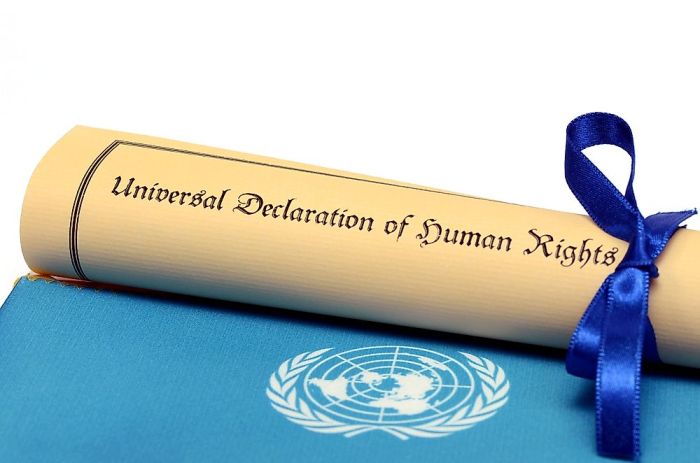
The historical trajectory of international human rights law is marked by significant milestones that reflect humanity’s evolving understanding of rights and justice. The roots of human rights can be traced back to ancient texts and philosophies, but it gained formal recognition in the 20th century following the atrocities of World War II. The adoption of the Universal Declaration of Human Rights (UDHR) in 1948 by the United Nations marked a pivotal moment in this development, providing a comprehensive list of rights that apply to all people.Subsequent treaties and conventions further solidified these rights, including:
- The International Covenant on Civil and Political Rights (ICCPR, 1966)
- The International Covenant on Economic, Social and Cultural Rights (ICESCR, 1966)
- The Convention on the Elimination of All Forms of Discrimination Against Women (CEDAW, 1979)
- The Convention on the Rights of the Child (CRC, 1989)
These documents have established a legal framework for the protection and promotion of human rights and have inspired national laws and policies worldwide.
Role of Key International Treaties and Conventions
International treaties and conventions play a vital role in shaping the framework of human rights law. They lay out the obligations of states to respect, protect, and fulfill the rights enshrined within them. Key treaties include:
- Universal Declaration of Human Rights (UDHR): Serves as a foundational text outlining fundamental rights and freedoms.
- International Covenant on Civil and Political Rights (ICCPR): Focuses on civil and political rights, including the right to life and freedom of expression.
- International Covenant on Economic, Social and Cultural Rights (ICESCR): Addresses rights related to work, education, and an adequate standard of living.
- Convention on the Elimination of All Forms of Discrimination Against Women (CEDAW): Aims to eliminate discrimination against women and promote gender equality.
- Convention on the Rights of the Child (CRC): Protects children’s rights and promotes their well-being and development.
These treaties not only establish standards but also create mechanisms for accountability, enabling individuals and groups to seek justice and redress violations of their rights.
Enforcement and Compliance Mechanisms
The enforcement of international human rights law is critical for the protection of individuals and communities worldwide. Various mechanisms exist to ensure that states comply with their human rights obligations. However, challenges in enforcement and compliance persist, impacting the effectiveness of these mechanisms. International courts and tribunals play a pivotal role in addressing human rights violations and providing avenues for accountability.
Enforcement Mechanisms for International Human Rights Law
Multiple enforcement mechanisms are in place to hold states accountable for their human rights obligations. These mechanisms range from treaty-based systems to regional human rights bodies. Understanding these mechanisms highlights their significance in promoting accountability.
- Treaty Monitoring Bodies: These bodies are established under international human rights treaties to monitor state compliance. For instance, the UN Human Rights Committee reviews reports submitted by state parties and can issue recommendations and observations based on their findings.
- Universal Periodic Review (UPR): This mechanism, conducted by the Human Rights Council, allows for the review of the human rights records of all UN member states. It provides a platform for states to showcase their progress and receive feedback from their peers.
- Regional Human Rights Courts: Institutions such as the European Court of Human Rights (ECHR) and the Inter-American Court of Human Rights adjudicate cases related to human rights violations. They provide rulings that can compel states to change their practices and provide remedies to victims.
Challenges in Ensuring Compliance by States
Despite the existence of these mechanisms, numerous challenges hinder effective compliance with international human rights standards. Identifying these challenges is essential for understanding the broader context of human rights enforcement.
- Sovereignty Concerns: States often prioritize national sovereignty over international obligations, leading to reluctance in adhering to external scrutiny or intervention.
- Lack of Political Will: In some cases, governments may lack the political will to implement necessary reforms, especially if such reforms threaten their power or authority.
- Insufficient Resources: Many states, particularly in developing regions, may lack the financial and institutional resources needed to uphold human rights effectively.
Role of International Courts and Tribunals in Human Rights Protection
International courts and tribunals serve as vital mechanisms for enforcing human rights law and providing justice for victims of violations. Their roles encompass various functions that contribute to the overall protection of human rights.
- Adjudication of Cases: Courts like the International Criminal Court (ICC) and regional courts adjudicate individual and state cases regarding human rights violations, offering justice to victims and accountability for perpetrators.
- Interpretation of Human Rights Norms: These courts interpret human rights treaties and customary international law, shaping the understanding and application of human rights standards globally.
- Creating Legal Precedents: Decisions made by international courts set important legal precedents that influence national legal systems and inspire reforms in human rights practices.
Intersection with Other Legal Areas
International human rights law does not operate in a vacuum; it intersects with various legal areas, including domestic laws and specific sectors such as sports and recreation. Understanding these intersections is crucial for recognizing the broader implications of human rights protections and how they manifest in daily life, particularly in the contexts of local regulations and recreational activities. This section explores how international human rights standards compare to domestic laws in different countries, as well as the impact on athletes’ rights and experiences across various sports.
Comparison with Domestic Laws
Human rights law varies significantly across jurisdictions, reflecting local values, historical contexts, and governance structures. In many countries, international human rights treaties serve as foundational documents that inform domestic laws. However, the degree of alignment can differ markedly. For instance, in the United States, the Constitution provides a robust framework for civil liberties, yet some international human rights norms, such as those regarding social and economic rights, are not fully recognized within the domestic legal system.
In contrast, countries like Sweden and Norway have incorporated many of these standards directly into their national laws, ensuring a more holistic approach to human rights.
The integration of international norms into domestic law can enhance the protection of rights and foster accountability.
Countries also interpret human rights provisions in ways that reflect their cultural and societal norms. For example, the right to freedom of expression may be upheld in liberal democracies but restricted in authoritarian regimes citing national security or public order.
Intersection with Sports and Recreational Activities
The intersection of human rights law with sports and recreational activities highlights the need for ethical practices and fair treatment of all participants. This area is significant, as sports are not only a means of recreation but also platforms for social change, identity formation, and economic development.In many cases, international human rights law influences regulations governing sports organizations, ensuring that issues such as discrimination, violence, and harassment are addressed.
For instance, the Olympic Charter promotes the principle of non-discrimination, emphasizing that athletes should not be excluded based on race, gender, or sexual orientation.
Sports organizations are increasingly held accountable for upholding human rights standards in their operations.
Impact on Athletes in Various Sports
Athletes in diverse sports face distinct human rights considerations that can impact their careers and well-being. These considerations may include safety, freedom from discrimination, and the right to fair treatment by sports authorities.
1. Martial Arts
In martial arts, issues such as gender equality and access to training facilities are prominent. Female athletes often advocate for equal opportunities and resources, which are essential for their development and success in the sport.
2. Motorsports
The motorsports community is increasingly aware of safety regulations and the rights of drivers. Initiatives are being launched to ensure that race organizers prioritize safety, thereby protecting athletes from undue risk during competitions.
3. Team Sports
In team sports, the impact of collective bargaining agreements often reflects human rights principles, particularly regarding fair wages and working conditions. For example, negotiations around player contracts and conditions can lead to enhancements in protections against discrimination and harassment.
Human rights considerations in sports lead to better governance and improved conditions for athletes, regardless of the discipline.
Overall, the interplay between international human rights law and sports illustrates the necessity of upholding athletes’ rights in all aspects of their professional lives, ensuring that they can compete and thrive in an environment that respects their dignity and promotes equality.
Closing Summary
In summary, international human rights law embodies a collective aspiration for a world where dignity and justice are universally upheld. As we navigate the complexities of enforcement and compliance, the continued evolution of these laws remains crucial for protecting the rights of individuals and promoting global accountability.
FAQ Resource
What are the main principles of international human rights law?
The main principles include universality, equality, non-discrimination, and accountability, ensuring that all individuals are entitled to rights regardless of their circumstances.
How are international human rights laws enforced?
Enforcement occurs through various mechanisms, including international courts, national courts, and oversight by treaty bodies, but challenges persist in compliance and enforcement.
What role do international courts play in human rights protection?
International courts adjudicate cases related to human rights violations and provide a platform for accountability, impacting state behavior and individual rights.
How do human rights laws intersect with sports?
Human rights considerations in sports involve issues such as fair treatment, discrimination, and the rights of athletes, impacting their participation and welfare.
Are there specific treaties governing international human rights?
Yes, significant treaties include the International Covenant on Civil and Political Rights and the Convention on the Rights of the Child, among others, which Artikel specific rights and obligations.