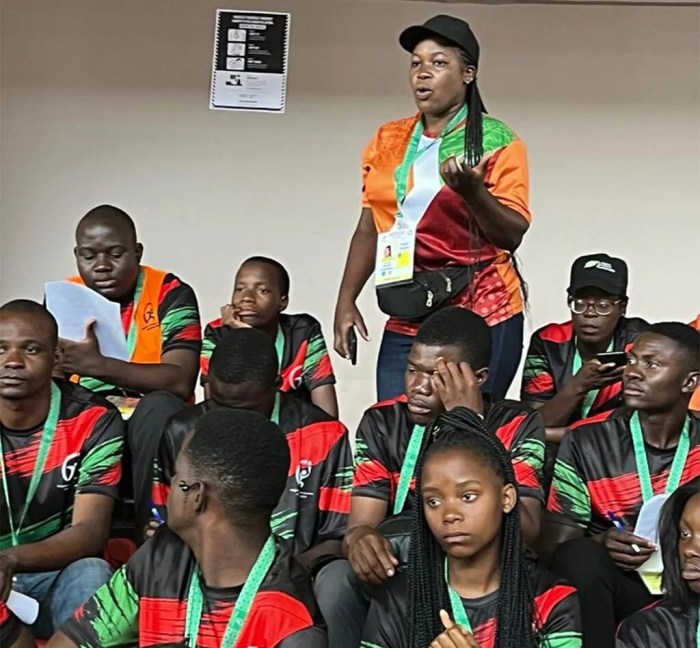
Multi-sport festivals serve as vibrant celebrations of athletic prowess and cultural unity, bringing together athletes from diverse backgrounds to compete in various sports. These events not only showcase individual talent but also promote camaraderie and mutual respect among participants, making them a cornerstone of global sporting culture.
From the historic Olympics to the Commonwealth Games, multi-sport festivals have evolved over the years, adapting to the changing landscape of sports and societal values. Each festival tells a unique story of its time, reflecting the spirit of the era and the cultures represented, while fostering an atmosphere of friendly competition.
Overview of Multi-Sport Festivals
Multi-sport festivals are grand events that bring together athletes from various sports to compete, celebrate, and showcase their talents. These festivals not only foster sportsmanship and camaraderie but also promote cultural exchange and national pride. They serve as a platform for athletes to achieve their personal bests while inspiring audiences worldwide, thus playing a significant role in the global sports landscape.
The history of multi-sport festivals dates back centuries, evolving into the modern spectacles we see today. The ancient Olympic Games, held in Olympia, Greece, are among the earliest known multi-sport events, dating back to 776 BC. Over time, these festivals have expanded beyond their original locales and sports, incorporating a diverse range of competitions. The establishment of the Modern Olympics in 1896 marked a pivotal point in the evolution of multi-sport festivals, setting a precedent for organizing similar events around the globe.
Other prominent festivals, such as the Commonwealth Games and Asian Games, have since emerged, each with its unique heritage and cultural significance.
Key Examples of Popular Multi-Sport Festivals
Several renowned multi-sport festivals are celebrated across the world, each contributing to the global sports community in its own way. These events not only highlight athletic excellence but also foster unity among nations.
- The Olympic Games: Known as the pinnacle of athletic competition, the Olympic Games occur every four years and feature thousands of athletes from over 200 nations. They encompass a wide range of sports, from traditional events like track and field to modern sports like skateboarding.
- The Commonwealth Games: Held every four years, this festival brings together athletes from the Commonwealth of Nations, celebrating shared history and culture through sports. It features a mix of traditional and lesser-known sports, emphasizing inclusivity.
- The Asian Games: Established in 1951, the Asian Games are the largest multi-sport event in Asia, showcasing a diverse array of sports and fostering friendship among Asian countries.
- The Pan American Games: This festival, held every four years, gathers athletes from the Americas, promoting unity and competition across North, South, and Central America, as well as the Caribbean.
Multi-sport festivals are not just about competition; they symbolize cultural exchange and global unity through the love of sports.
Types of Sports Featured in Multi-Sport Festivals
Multi-sport festivals showcase a diverse range of athletic competitions, promoting inclusivity and cultural exchange through sports. From traditional team sports to individual disciplines, these events provide a platform for athletes from various backgrounds to compete and celebrate their skills. The inclusion of different sports not only enriches the festival experience but also fosters community spirit and national pride.
Team Sports in Festivals
Team sports form a significant part of multi-sport festivals, offering exciting competition and fostering camaraderie among participants and spectators alike. These sports often reflect the cultural values and traditions of the nations they represent. The inclusion of team sports, such as soccer, basketball, and volleyball, creates a vibrant atmosphere that engages audiences and promotes teamwork and social interaction.The impact of these team sports extends beyond the competition.
They often serve as a unifying force, bringing together people from different backgrounds to support their teams. For instance:
- Soccer: Widely popular around the globe, soccer tournaments at multi-sport festivals attract large crowds and contribute to a shared sense of national identity.
- Basketball: With its fast-paced action, basketball captivates audiences and encourages young athletes to aspire towards greatness, often leading to increased participation at the grassroots level.
- Volleyball: This sport promotes teamwork and communication, making it a favorite among festival-goers, while also showcasing the skills of athletes from diverse regions.
Representation of Martial Arts
Martial arts are a key feature of many multi-sport festivals, showcasing a wide range of disciplines that highlight both skill and cultural heritage. These events not only promote physical fitness and mental discipline but also emphasize respect, honor, and tradition.Different styles of martial arts, such as judo, taekwondo, and karate, provide unique insights into the cultures they originate from. Here are the notable martial arts often featured:
- Judo: Originating from Japan, judo emphasizes throws and holds, promoting physical and mental strength.
- Taekwondo: Known for its dynamic kicking techniques, taekwondo reflects Korean culture and encourages perseverance and respect.
- Karate: This martial art focuses on striking techniques and self-defense, deeply rooted in Okinawan traditions, emphasizing discipline and respect for others.
Variety of Water Sports
Water sports featured in multi-sport festivals offer a thrilling aspect of competition, often set against beautiful backdrops. These sports not only test athletes’ physical capabilities but also provide a unique opportunity for cultural exchange and environment awareness.Festivals may include an array of water sports that appeal to diverse audiences. Some of the notable water sports featured include:
- Rowing: This sport emphasizes teamwork and endurance, often showcasing athletes from regions with strong boating traditions.
- Swimming: As a staple in many festivals, swimming events highlight individual achievements and often draw large viewership, celebrating speed and agility.
- Sailing: This sport combines strategy and skill, allowing competitors to navigate challenging waters, often reflecting local maritime heritage.
Legal and Regulatory Issues in Multi-Sport Festivals
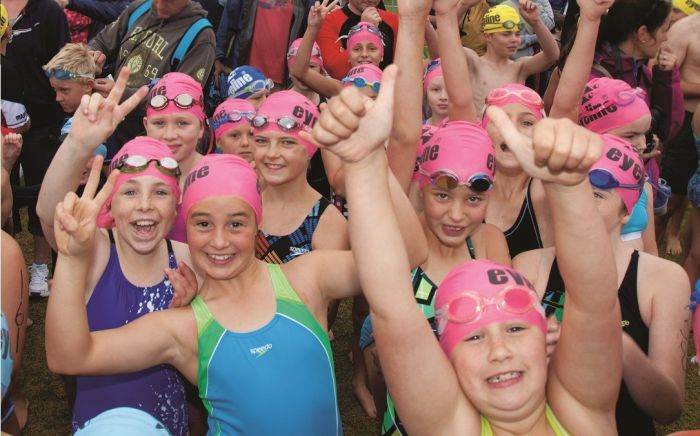
The organization of multi-sport festivals involves navigating a complex landscape of legal and regulatory challenges. Understanding these issues is crucial for the successful execution of events that not only promote sports but also ensure fairness, safety, and compliance with various laws. This segment delves into some of the key legal challenges that organizers face, alongside the regulations governing athlete participation and eligibility criteria.
Legal Challenges Faced by Organizers
Organizers of multi-sport events must contend with several legal challenges that can impact the smooth running of the festival. These challenges often include but are not limited to:
Liability Issues
Event organizers can be held liable for accidents or injuries that occur during competitions or activities. Ensuring adequate insurance coverage and risk management strategies is essential.
Contractual Obligations
Managing contracts with sponsors, vendors, and athletes can lead to disputes, especially if any party fails to fulfill their obligations.
Permitting and Licensing
Securing the necessary permits for venues and facilities is vital. Each location may have specific requirements that must be adhered to, such as zoning laws and safety regulations.
Intellectual Property Rights
Organizers need to protect their branding and ensure that they are not infringing on the trademarks or copyrights of others, particularly in promotional materials.
Regulations Surrounding Athlete Participation and Eligibility Criteria
Regulations concerning athlete participation are designed to ensure fair competition and safety. These criteria often vary by sport and governing body but generally include:
Age Restrictions
Many sports have specific age categories to promote fairness and safety; for example, youth divisions often have strict age limits to separate younger competitors from adults.
Residency Requirements
Some events may require athletes to be residents of a specific country or region, which helps to promote local talent and community involvement.
Health and Safety Protocols
Athletes may be required to undergo medical examinations to assess their fitness and readiness to compete, ensuring that all participants are in good health.
Anti-Doping Regulations
Athletes must comply with doping regulations as Artikeld by relevant governing bodies, which can include random drug testing during events.
International Laws Affecting Multi-Sport Festivals
The landscape of multi-sport festivals is also influenced by various international laws, particularly concerning doping regulations and safety standards. Countries may adopt different approaches to these laws, creating a patchwork of regulations that organizers must navigate. Key points include:
Doping Regulations
The World Anti-Doping Agency (WADA) sets global standards for anti-doping rules. Countries may have their own legislations that align with or differ from WADA guidelines, impacting how doping violations are handled at international events.
Safety Standards
Different nations have varying safety protocols for facilities and equipment used in multi-sport festivals. Adhering to internationally recognized safety standards is crucial for protecting athletes and minimizing risks.
Legal Jurisdictions
Organizers must be aware of the legal jurisdictions in which they operate, as this affects how laws are enforced and disputes are resolved. Understanding these jurisdictions can help in drafting contracts and agreements with clarity over which laws will apply.
“Navigating the legal landscape of multi-sport festivals is as crucial as the competition itself, ensuring fairness, safety, and compliance.”
Conclusion
In summary, multi-sport festivals are more than just competitions; they are essential gatherings that highlight the beauty of diversity and the thrill of athletic achievement. As these events continue to grow in popularity and scope, they inspire new generations to embrace sports as a universal language that transcends borders.
Quick FAQs
What are multi-sport festivals?
Multi-sport festivals are events that feature multiple sports competitions, bringing together athletes from various disciplines to compete, share experiences, and celebrate sportsmanship.
How often do multi-sport festivals occur?
The frequency of multi-sport festivals varies; some, like the Olympics, occur every four years, while others, such as regional games, may happen more frequently.
What is the significance of hosting a multi-sport festival?
Hosting a multi-sport festival can boost local economies, promote tourism, and foster community pride while providing a platform for athletes to shine on an international stage.
How are athletes selected for these festivals?
Athlete selection is typically based on performance criteria set by national governing bodies, ensuring that the best representatives compete at the festivals.
What role do volunteers play in multi-sport festivals?
Volunteers are essential for the smooth operation of multi-sport festivals, assisting with event organization, athlete support, and ensuring a positive experience for all attendees.