Kicking off with Communication in team sports, effective dialogue among teammates is crucial for achieving success on the field. From basketball courts to soccer pitches, the way players interact can significantly impact their performance and overall team morale.
Understanding the significance of clear and concise communication allows teams to build stronger dynamics, enhance coordination, and overcome common barriers that can disrupt gameplay. This discussion explores various strategies and techniques that can be employed across different sports to foster an environment of open communication.
Importance of Communication in Team Sports
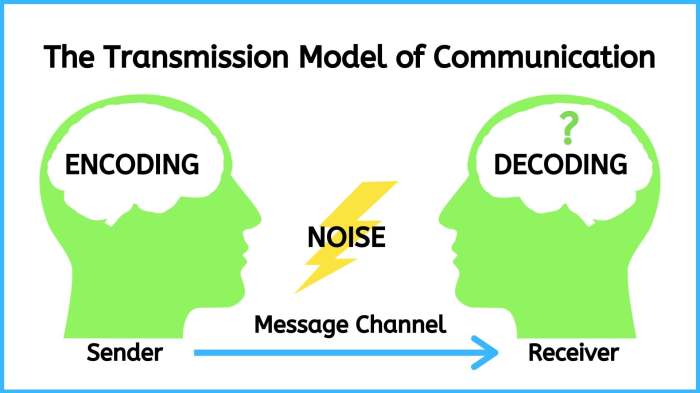
Effective communication is the backbone of any team sport, playing a crucial role in determining the overall performance and success of the team. In an environment where coordination and collaboration are essential for achieving common goals, the ability to share thoughts, strategies, and feedback can significantly enhance the effectiveness of team play. The dynamics between team members can often hinge on how well they communicate, fostering an atmosphere where everyone feels valued and understood.Effective communication directly influences team performance by ensuring that all players are aligned with the game plan and understand their roles clearly.
When athletes are able to convey information quickly and accurately, they can make split-second decisions that affect the outcome of the game. Moreover, teams that communicate well tend to form stronger bonds, leading to increased trust among members, which is vital for high-pressure situations in competitive sports.
Influence of Communication on Team Dynamics and Morale
The way team members interact with each other can greatly affect the overall dynamics and morale within the group. Positive communication fosters an environment of respect and support, which is essential for team cohesion. This section Artikels the key effects of communication on team dynamics and morale:
- Building Trust: Open lines of communication help in establishing trust among teammates. When players feel comfortable sharing their thoughts and feedback, it builds a sense of security, encouraging them to take risks on the field.
- Enhancing Team Cohesion: Regular communication promotes a sense of belonging. When every member feels involved in discussions, it solidifies their commitment to the team’s objectives.
- Motivating Team Members: Constructive feedback and encouragement during practice sessions can boost individual and collective morale. Recognizing effort and improvement through conversation keeps players motivated.
- Conflict Resolution: Effective communication can help address misunderstandings and conflicts before they escalate. By discussing issues openly, teams can maintain a positive atmosphere.
Common Communication Barriers and Solutions
Despite the clear benefits of communication in team sports, several barriers can hinder effective interaction. Identifying these obstacles and implementing strategies to overcome them is essential for maximizing performance. Here are some prevalent communication barriers and potential solutions:
- Lack of Clarity: Sometimes, instructions may be vague or misunderstood. To combat this, coaches should provide clear, concise directives, and confirm understanding by encouraging players to repeat instructions back.
- Language Differences: In diverse teams, language barriers can arise. Incorporating visual aids and non-verbal cues can help bridge these gaps, while team-building activities can enhance mutual understanding.
- Emotional Barriers: Players may hesitate to express themselves due to fear of criticism or judgment. Creating a culture of open communication, where players can share their feelings without fear, is vital.
- Physical Distance: In certain sports, players may be physically separated during gameplay, limiting communication. Using signals or predetermined gestures can facilitate communication even in high-pressure situations.
“The strength of the team is each individual member. The strength of each member is the team.” – Phil Jackson
These barriers, if left unaddressed, can significantly impact team performance. By fostering an environment that prioritizes clear and open communication, teams can enhance their dynamics, boost morale, and ultimately improve their chances of success on the field.
Communication Strategies for Different Sports
Effective communication is pivotal for success in team sports, and it varies significantly across different disciplines. Each sport has unique dynamics that influence how athletes and coaches interact with one another. Understanding and implementing tailored communication strategies can enhance teamwork, improve performance, and create a cohesive environment that fosters growth and success.
Communication Plan for a Basketball Team
A well-structured communication plan is essential for a basketball team to improve on-court coordination. This plan should focus on verbal cues, signals, and an established terminology to ensure all players are on the same wavelength during games and practices. Key components of the plan might include:
- Pre-game Meetings: Regularly scheduled discussions before games to Artikel strategies, assign roles, and establish communication protocols.
- Play Calling System: Development of a simple set of code words or phrases that describe plays, ensuring quick understanding and execution during high-pressure situations.
- Visual Signals: Use of hand signals or gestures for quick communication on the court, especially when verbal communication may be hindered by crowd noise.
- Post-game Reviews: Analyze game footage together to discuss what worked well and where communication could improve, reinforcing learning and adjustments for future games.
Communication Techniques in Martial Arts Training
In martial arts, communication is vital for both instruction and safety. Training sessions often include various techniques to enhance understanding and execution of movements. Some effective communication methods include:
- Demonstrative Instruction: Instructors often demonstrate techniques multiple times, allowing students to visually absorb the movements before practicing them themselves.
- Feedback Sessions: After drills, instructors provide immediate feedback to students, highlighting strengths and areas for improvement to ensure progression.
- Partner Drills: Practicing techniques with a partner facilitates verbal and physical communication, enabling both parties to learn through interaction and correction.
- Use of Analogies: Instructors may use relatable analogies or metaphors to explain complex techniques, making them more accessible for students of various skill levels.
Non-Verbal Communication Methods in Motorsports
In the high-stakes environment of motorsports, effective non-verbal communication is crucial during races when verbal communication is impractical. Teams utilize several strategies to maintain clarity and efficiency:
- Hand Signals: Crew members use specific hand signals to communicate quickly and clearly during pit stops, ensuring that every action is synchronized and efficient.
- Body Language: Drivers and crew chiefs often rely on body language to gauge the mood and reactions of each other, fostering an intuitive understanding of the race dynamics.
- Color Codes: Teams frequently employ color-coded flags or lights to convey important messages related to race conditions, tire changes, or strategy adjustments without needing to transmit messages verbally.
- Visual Displays: Use of large screens or displays in the pit area that provide real-time data and information ensures that all team members are aware of the race’s progress without needing verbal exchanges.
Case Studies of Communication in Various Sports
Effective communication plays a pivotal role in the success of team sports, influencing not only the performance of the athletes but also the overall dynamics of the team. This section highlights various case studies that showcase successful communication strategies across different sports. By examining the methods employed in soccer, hockey, individual sports like tennis and golf, and water sports, we can better appreciate the nuances of communication in athletic environments.
Successful Communication Strategies in Soccer and Hockey
In team sports such as soccer and hockey, communication is essential for ensuring that all team members are aligned on strategies, plays, and adjustments during the game. Soccer teams, for example, often utilize verbal commands and non-verbal signals to execute plays effectively. Coaches and players frequently employ a common vocabulary that includes specific terms for formations, set pieces, and tactical adjustments.
On the field, players might use hand signals to indicate movement patterns, allowing for quick, silent communication that is crucial during high-pressure moments.Hockey presents a similar scenario, where the fast-paced nature of the game necessitates clear and concise communication. Teams often use coded language for plays that can be relayed quickly during a match. Additionally, goalies play a critical role in directing their defensive players, often shouting instructions or calling out player positions, which is vital for maintaining defensive structure.
Both sports demonstrate that successful communication leads to increased coherence and efficiency within the team, enhancing performance during critical game moments.
Comparison of Communication Styles in Team Sports versus Individual Sports
The communication styles utilized in team sports contrast significantly with those found in individual sports like tennis and golf. In team sports, where multiple players must coordinate their efforts, communication is typically dynamic and ongoing. Team members develop a shared language that evolves with experience, often leading to intuitive understanding and faster decision-making during play.Conversely, in individual sports, athletes primarily rely on their internal dialogue and personal strategy.
For instance, tennis players communicate with their coaches during changeovers but must ultimately make split-second decisions independently on the court. This reliance on self-communication can create a different psychological environment compared to team sports, where verbal and non-verbal cues are exchanged continuously.In golf, communication is often limited to pre-game discussions and strategy sharing with caddies. While this relationship is vital for optimal performance, the direct on-course communication is minimal, focusing instead on the golfer’s individual mental state and strategy execution.
Communication Techniques in Water Sports Teams
Water sports teams, such as rowing crews and synchronized swimming teams, implement unique communication techniques that are tailored to their environments. In rowing, communication is crucial for synchronizing movements among team members, especially in races where timing can determine victory. Teams often establish a rhythm that includes verbal cues from the coxswain, who guides the crew through calls that synchronize their strokes.In synchronized swimming, communication takes on a different form, relying heavily on non-verbal cues due to the nature of the sport.
Athletes must be finely attuned to each other’s movements, often employing visual signals and predetermined formations that ensure seamless transitions and synchronization in performance. The ability to communicate effectively in this context not only enhances the beauty of the routine but also ensures safety during complex maneuvers.Both rowing and synchronized swimming illustrate how water sports teams adapt their communication styles to meet the demands of their environment, emphasizing the importance of clarity and precision in achieving collective goals.
Ultimate Conclusion
In conclusion, mastering communication in team sports is more than just exchanging words; it’s about building trust, understanding roles, and creating a cohesive unit that works towards a common goal. By implementing effective communication strategies, teams not only improve their performance but also cultivate a positive atmosphere that can lead to lasting success.
FAQ Explained
Why is communication vital in team sports?
Communication is essential in team sports as it enhances coordination, builds trust among team members, and improves overall performance.
What are some common barriers to communication in sports?
Common barriers include language differences, lack of clarity, misunderstandings, and non-verbal cues that may be misinterpreted.
How can teams improve their communication strategies?
Teams can improve communication by establishing clear roles, conducting regular meetings, and utilizing both verbal and non-verbal communication techniques.
What role does non-verbal communication play in sports?
Non-verbal communication, such as gestures and body language, plays a significant role in conveying messages quickly and efficiently during high-pressure situations.
Can communication techniques vary between sports?
Yes, communication techniques can vary significantly between sports due to different gameplay dynamics and required strategies, necessitating tailored approaches for each sport.