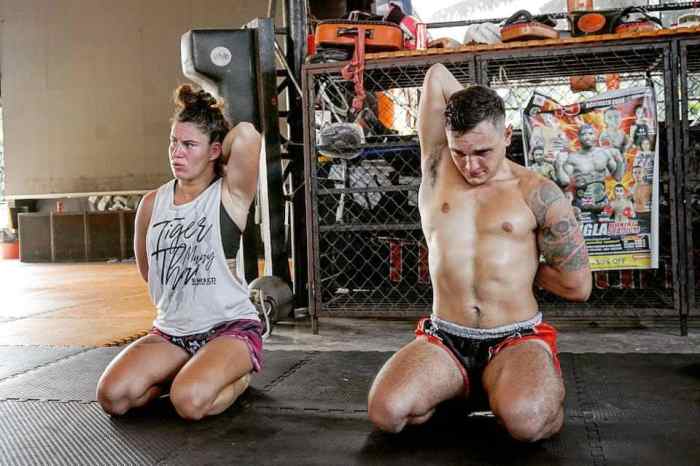
Muay Thai workout routine is not just a training method; it’s a journey into the rich heritage of martial arts that combines physical fitness with mental discipline. Whether you’re a beginner looking to build strength or an experienced practitioner aiming to refine techniques, understanding the basics and structure of a Muay Thai routine is essential for success.
This overview explores the core components of a Muay Thai workout, including the significance of warm-ups, cool-downs, and a balanced weekly schedule. Additionally, we’ll dive into striking techniques, drills for agility, and how Muay Thai complements various sports and other martial arts, ensuring a comprehensive grasp of this dynamic discipline.
Muay Thai Workout Basics
Muay Thai, known as the “Art of Eight Limbs,” is a dynamic martial art that combines striking techniques from fists, elbows, knees, and shins. A well-structured workout routine is vital for anyone looking to master this combat sport. Understanding the fundamental components of a Muay Thai workout, including the importance of warm-up and cool-down exercises, will set the foundation for effective training and injury prevention.
Fundamental Components of a Muay Thai Workout Routine
A typical Muay Thai workout routine consists of various elements that enhance fitness levels, technique, and strategy. These components include:
- Warm-up: Prepares the body for intense physical activity by increasing blood flow and flexibility.
- Techniques and Drills: Focused practice on specific strikes, combinations, and defensive moves to build skill and muscle memory.
- Pad Work: Working with a partner or coach using focus mitts or pads to develop timing, accuracy, and power.
- Conditioning: Exercises such as running, jumping rope, and circuit training improve endurance and overall fitness.
- Cool-down: Gradual reduction of heart rate and stretching to promote recovery and flexibility.
Importance of Warm-up and Cool-down Exercises
Incorporating warm-up and cool-down exercises into a Muay Thai training routine is essential for optimizing performance and preventing injuries.
“Warming up increases your body temperature, enhances muscle elasticity, and prepares your cardiovascular system for the workout.”
Warm-up routines typically involve light aerobic activities and dynamic stretches to mobilize joints and muscles. A thorough warm-up can significantly reduce the risk of strains or sprains during intense training. Similarly, cool-down exercises, which often include static stretches and deep breathing, help to gradually lower the heart rate and provide relaxation. This phase is crucial for reducing muscle soreness and stiffness post-training.
Structured Weekly Training Schedule for Beginners
For beginners in Muay Thai, a structured weekly training schedule can help establish a solid foundation. Here’s a sample schedule that balances skill development, conditioning, and recovery:
- Monday: 1-hour Muay Thai class focusing on basic techniques and drills.
- Tuesday: Strength and conditioning workout, including bodyweight exercises and light cardio.
- Wednesday: 1-hour sparring session with a partner to practice techniques in a controlled environment.
- Thursday: Rest day or light yoga for flexibility and recovery.
- Friday: 1-hour Muay Thai class focusing on pad work and advanced combinations.
- Saturday: Endurance workout, such as running or circuit training, for at least 30 minutes.
- Sunday: Rest and recovery day, encouraging full muscle recuperation.
Techniques and Drills
Muay Thai, known as the “Art of Eight Limbs,” incorporates a variety of striking techniques that utilize the fists, elbows, knees, and shins. Mastering these techniques not only enhances your striking ability but also improves overall combat effectiveness. Practicing these skills consistently lays the foundation for becoming a proficient Muay Thai practitioner.The key striking techniques in Muay Thai include the jab, cross, hook, uppercut, knee strike, elbow strike, front kick, and roundhouse kick.
Each of these techniques serves a unique purpose in both offensive and defensive scenarios. It’s important to practice them individually, focusing on form and power before integrating them into combination drills.
Key Striking Techniques
To practice striking techniques effectively, consider the following steps for each:
1. Jab
Stand with your lead foot forward.
Extend your lead arm straight out while rotating your shoulder.
Retract quickly to guard your face.
2. Cross
Pivot on your rear foot as you throw a straight punch with your rear hand.
Rotate your hips and shoulders to generate power.
Return your hand quickly to guard.
3. Hook
With your elbow bent at a 90-degree angle, swing your arm horizontally.
Keep your other hand up for protection.
Focus on using your core to generate power.
4. Roundhouse Kick
Pivot on your standing foot while bringing your knee up.
Extend your leg and strike with the shin.
Practice both inside and outside kicks.
5. Knee Strike
Drive your knee upward towards your opponent.
Use your arms to clinch and control your opponent if applicable.
6. Elbow Strike
Aim to strike with the point of your elbow.
Utilize your body weight and hip rotation for added power.
7. Front Kick
Lift your knee and push your foot forward to strike.
Aim for the opponent’s midsection or face.
Each technique should be practiced in front of a mirror or with a coach to receive immediate feedback on form and execution.
Drills for Footwork and Agility
Effective footwork and agility are crucial in Muay Thai, enabling practitioners to evade strikes and position themselves optimally for attacks. Here are several drills that can help enhance these skills:
1. Shadowboxing
Move around the space while throwing techniques and focusing on foot placement.
Visualize an opponent and practice quick entries and exits.
2. Cone Drills
Set up cones in a zigzag pattern.
Sprint, shuffle, or backpedal between them, focusing on maintaining balance and speed.
3. Lateral Movement Drills
Use a partner to simulate an opponent.
Practice moving laterally while avoiding strikes.
4. Jump Rope
Regularly jump rope to build coordination and cardiovascular endurance.
Incorporate various footwork patterns like single-leg hopping and double unders.
5. Agility Ladder
Use an agility ladder to practice quick foot movements.
Perform various patterns to build speed and precision.
Each drill can be adapted in intensity and duration based on the practitioner’s level, ensuring a progressive improvement in footwork and agility.
Partner Drills for Defensive Maneuvers
Defensive maneuvers are essential in Muay Thai, allowing fighters to avoid strikes and create opportunities for counterattacks. Practicing partner drills can solidify defensive skills effectively. Here are some recommended drills:
1. Slip and Counter
One partner throws punches while the other practices slipping to the side.
After slipping, the defender should immediately counter with a striking combination.
2. Parry Drill
One partner delivers a series of punches (jabs and crosses).
The other partner practices parrying and redirecting the punches while maintaining guard.
3. Clinch Defense
Partners engage in a clinch, practicing breaking away and countering.
Focus on positioning, balance, and using elbows or knees for defensive strikes.
4. Body Movement Drill
One partner acts as the attacker using controlled strikes.
The defender practices moving out of range while maintaining proper stance and guard.
5. Block and Counter
One partner throws kicks while the other focuses on blocking with their shin.
After blocking, practice countering with a kick or punch to exploit openings.
These drills promote teamwork and communication between partners, reinforcing defensive techniques that can be effectively used in sparring or competition scenarios.
Muay Thai and Other Sports
Muay Thai is not just a combat sport; it offers a variety of physical benefits that can enhance overall athletic performance. In this segment, we’ll explore how Muay Thai compares with strength sports, its complementary effects on team sports, and the integration of its techniques in various martial arts practices.
Comparison of Physical Benefits with Strength Sports
While strength sports primarily focus on building muscle and increasing power, Muay Thai provides a broader range of physical benefits. The training includes cardiovascular endurance, flexibility, agility, and coordination. Here are some contrasting points:
- Cardiovascular Health: Muay Thai training involves intense aerobic and anaerobic activities that significantly boost heart health, often surpassing the benefits typically gained from strength training routines.
- Full-Body Engagement: Unlike strength sports that may isolate specific muscle groups, Muay Thai engages multiple muscle groups simultaneously, promoting functional strength and better overall body mechanics.
- Weight Management: The high-energy expenditure during Muay Thai workouts aids in burning calories more effectively than traditional strength training alone, making it beneficial for weight loss and maintenance.
- Flexibility and Mobility: The dynamic movements in Muay Thai enhance flexibility, which is often less emphasized in strength sports, promoting better range of motion and reducing the risk of injuries.
Complementary Effects on Team Sports Performance
Training in Muay Thai can significantly improve performance in various team sports, thanks to its emphasis on agility, coordination, and mental toughness. The skills acquired in Muay Thai translate well into sports such as soccer, basketball, and rugby. Key benefits include:
- Improved Agility: Quick footwork drills in Muay Thai enhance lateral movement and reaction times, which are crucial in team sports for dodging opponents and making swift plays.
- Enhanced Endurance: The rigorous training regimen increases aerobic capacity, allowing athletes in team sports to maintain performance levels during extended periods of play.
- Stronger Core Stability: The core-centric movements in Muay Thai training improve balance and stability, which are essential for any athlete, especially when navigating through opposition in team sports.
- Mental Toughness: The intense physical challenges presented in Muay Thai foster resilience and mental fortitude, traits that are invaluable during high-pressure situations in team competitions.
Integration of Muay Thai Techniques in Other Martial Arts
Muay Thai techniques have found their way into various other martial arts, enriching their practice and enhancing their effectiveness. By integrating these techniques, practitioners can benefit from a more versatile skill set. Some integration points include:
- Striking Techniques: Muay Thai’s elbows, knees, and clinch work add a unique dimension to striking arts, providing fighters with additional methods to engage opponents effectively.
- Defensive Strategies: The defensive maneuvers learned in Muay Thai can be utilized in other martial arts, enhancing a fighter’s ability to evade strikes and counterattack efficiently.
- Combination Drills: Training drills that incorporate Muay Thai techniques alongside other martial arts techniques create a holistic approach to combat training, leading to well-rounded martial artists.
- Cross-Training Benefits: Practitioners of Brazilian Jiu-Jitsu, Karate, and Taekwondo can enhance their striking capabilities by incorporating Muay Thai training into their regimen, thus broadening their fighting style.
Last Word

In summary, a well-rounded Muay Thai workout routine offers a unique blend of physical conditioning, skill development, and cultural appreciation. By committing to this training regimen, practitioners not only enhance their fitness levels but also gain valuable techniques that transcend the sport itself. Embrace the challenge and empowerment that comes with Muay Thai, and you’ll find it rewarding both in and out of the ring.
Question & Answer Hub
What should I wear for a Muay Thai workout?
Wear comfortable athletic clothing, like shorts and a t-shirt, along with hand wraps and boxing gloves for protection.
How long should a Muay Thai workout last?
A typical Muay Thai workout can last between 60 to 90 minutes, including warm-up and cool-down sessions.
Can beginners do Muay Thai?
Absolutely! Muay Thai is accessible to beginners, and many gyms offer classes tailored to newcomers.
How often should I train in Muay Thai?
For beginners, training 2-3 times a week is ideal, while more experienced practitioners may train up to 5 times a week.
Are there any age restrictions for Muay Thai training?
No specific age restrictions exist, but it’s recommended that younger individuals seek classes designed for their age group.