Shot put training programs play a crucial role in shaping the skills and performance of athletes in this dynamic sport. With a blend of strength training, technique refinement, and conditioning, these programs create a holistic approach to mastering the shot put. Understanding the fundamentals and components of these training regimes can significantly enhance an athlete’s ability to excel, focusing not just on physical prowess but also on mental preparation.
This overview will delve into specific training techniques, nutritional considerations, and comparisons with other strength sports, ensuring that athletes are well-equipped to achieve their best. By systematically approaching shot put training, individuals can unlock their potential and elevate their performance on the field.
Shot Put Training Programs Overview
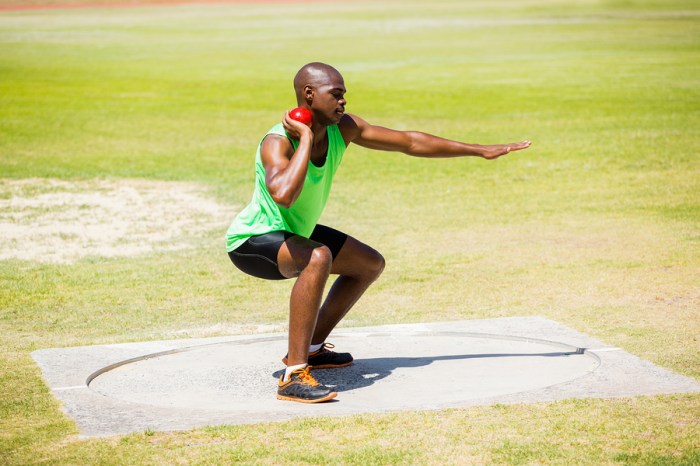
Shot put training programs are designed to enhance the performance of athletes by focusing on various physical and mental aspects crucial for success in this field event. The shot put requires a unique combination of strength, technique, and mental focus, making an effective training program essential for any aspiring shot putter.The core components of a shot put training program encompass strength training, technique practice, and conditioning.
Each element plays a vital role in improving an athlete’s performance. Strength training builds the necessary muscle power to generate forceful throws, while technique practice hones the athlete’s form and execution. Conditioning ensures that the athlete maintains stamina and agility during competition.
Components of Shot Put Training Programs
An effective shot put training program consists of multiple components that work synergistically to enhance overall performance. The following elements are crucial for a well-rounded training regimen:
- Strength Training: This includes weightlifting exercises focusing on the upper body, legs, and core to develop explosive power. Exercises such as squats, deadlifts, and bench presses are fundamental.
- Technique Practice: Practicing the glide or spin techniques is essential for improving shot release and distance. Drills can include throwing with lighter weights to fine-tune mechanics.
- Conditioning: Incorporating agility drills, sprinting, and endurance training helps maintain fitness levels. This component prepares athletes for the physical demands of competition.
Key factors that influence shot put performance include physical attributes such as body strength and flexibility, alongside mental preparation techniques. Mental readiness often involves visualization and focus strategies that allow athletes to perform under pressure.
“The shot put is not just about strength; it’s a precise blend of technique, mental toughness, and physical conditioning.”
It is essential for athletes to understand how each of these components interacts with their overall performance. By integrating strength, technique, and conditioning effectively, shot putters can maximize their potential and achieve competitive success.
Specific Training Techniques for Shot Put
Shot put is a dynamic sport that combines strength, technique, and precision. Athletes utilize various techniques to maximize their performance, with the most common being the glide and spin methods. Understanding these techniques, along with a structured training schedule and proper nutrition, is crucial for any aspiring shot putter.
Shot Put Techniques: Glide and Spin Methods
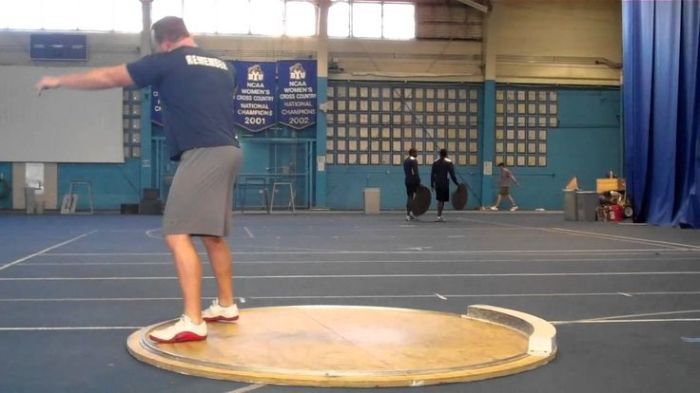
The glide and spin techniques are two distinct methods used to propel the shot put. Each has its own advantages and is favored by different athletes based on their physical attributes and training background.The glide method involves a linear movement where the athlete stands with their back to the throwing area, takes a step back, and then pushes the shot put forward while shifting their weight.
This technique emphasizes explosive strength and is often favored by those with a strong base of upper body and leg strength. Benefits include easier learning for beginners and greater control over the shot put trajectory.On the other hand, the spin method requires the athlete to rotate their body before releasing the shot, similar to a discus throw. This technique allows for greater momentum generation and can result in longer throws, benefiting athletes who possess flexibility and coordination.
It requires more practice to master but can produce impressive results when executed correctly.
Week-Long Training Schedule for Shot Put
Creating a balanced training regimen is essential for shot put athletes to develop strength, technique, and recovery. Here is a sample week-long training schedule:
| Day | Focus | Activities |
|---|---|---|
| Monday | Strength Training | Weight lifting (squats, deadlifts), core exercises |
| Tuesday | Technique Practice | Glide drills, shot put release techniques |
| Wednesday | Conditioning | Agility drills, sprinting |
| Thursday | Strength Training | Upper body exercises (bench press, shoulder press) |
| Friday | Technique Practice | Spin technique drills, practice throws |
| Saturday | Active Recovery | Light stretching, yoga, mobility work |
| Sunday | Rest | No training, focus on recovery |
This schedule balances heavy training days with recovery, ensuring athletes can maximize their potential while avoiding burnout or injury.
Nutrition for Optimal Performance in Shot Put
Nutrition plays a pivotal role in supporting shot put training and performance. A well-balanced diet can enhance strength, recovery, and overall athletic ability. Pre-workout meals should focus on providing energy and can include complex carbohydrates, such as whole grains, alongside lean proteins. Some optimal pre-workout options include oatmeal with fruit, chicken with brown rice, or a smoothie with spinach and protein powder.
Post-workout nutrition is equally important, focusing on recovery. Athletes should consume protein to aid muscle repair, along with carbohydrates to replenish glycogen stores. Ideal post-workout meals might consist of a protein shake with a banana, grilled chicken with sweet potatoes, or Greek yogurt with mixed berries.In addition to whole foods, supplements like protein powders, branched-chain amino acids (BCAAs), and creatine can further support training efforts.
However, it’s essential that these supplements complement a healthy diet and aren’t relied upon solely for performance enhancement.By integrating proper techniques, a structured training schedule, and a nutritional plan, shot put athletes can significantly improve their performance and achieve their competitive goals.
Related Sports and Training Considerations
When it comes to shot put training, understanding its relationship with other strength sports can enhance an athlete’s approach and performance. Exploring how principles from similar disciplines, such as the discus throw and hammer throw, align with shot put techniques can provide valuable insights. Moreover, incorporating elements from martial arts can significantly boost an athlete’s physical and mental resilience. Finally, the crossover benefits of shot put training to other track and field events, such as sprints and hurdles, reflect the holistic nature of athletic preparation.
Comparison with Other Strength Sports
Shot put, discus throw, and hammer throw share foundational training principles centered around explosive strength, technique refinement, and power generation. While each event requires unique techniques, the underlying biomechanics of force generation remain similar.
Explosive Strength
All three events emphasize the development of explosive strength through weighted exercises and plyometrics, which are essential for achieving maximal distance.
Technique Focus
Each discipline requires a specific technique for optimal performance. For instance, the rotational technique in discus and hammer throw parallels the shot put’s glide technique, highlighting the need for precision and timing.
Core Stability
A strong core is vital across these events to stabilize the body and transfer power efficiently during the throw.Athletes can benefit from training across these events, as enhancements in one can translate to improvements in another due to shared muscular demands and movement patterns.
Martial Arts Impact on Resilience
Martial arts training significantly contributes to an athlete’s overall resilience, both physically and mentally, which is crucial in shot put. The discipline and focus required in martial arts can foster a strong mindset necessary for competitive performance.
Physical Conditioning
The rigorous physical training in martial arts enhances strength, flexibility, and overall body awareness, which translates well to shot put.
Mental Toughness
Practicing martial arts involves facing opponents and overcoming challenges, which builds mental fortitude and the ability to handle pressure during competitions.
Strategic Thinking
Martial arts also encourages strategic planning and adaptability, skills that are beneficial when analyzing and adjusting shot put techniques.Incorporating martial arts into a training regimen can provide athletes with a unique edge, enhancing their performance under pressure.
Crossover Training Benefits
The training methodologies utilized in shot put can yield significant benefits for athletes participating in other track and field events, such as sprints and hurdles.
Strength Development
The emphasis on explosive power in shot put translates well to the sprinting block start, where quick acceleration is critical.
Acceleration Mechanics
The mechanics of the shot put throw can aid sprinters in refining their acceleration and stride length during the initial phase of a sprint.
Hurdling Technique
The explosive leg drive required in shot put can enhance the starting phase of hurdle races, improving overall speed and technique.Athletes who engage in crossover training often find that improvements in strength and explosiveness in shot put directly enhance their performance in other events, making it a versatile component of their overall training strategy.
Final Thoughts
In summary, shot put training programs are essential for athletes seeking to improve their technique and performance. By integrating strength training, specific techniques, and nutrition, athletes can enhance their skills while maintaining a strong mental game. As this discussion highlights, understanding the intricacies of training not only benefits shot putters but also offers valuable insights for athletes in related sports.
Embracing these principles can lead to greater success and fulfillment in their athletic pursuits.
Question Bank
What is a typical duration for shot put training programs?
Most shot put training programs range from 8 to 12 weeks, depending on the athlete’s level and specific goals.
How often should athletes practice shot put techniques?
Athletes typically practice shot put techniques 2 to 3 times per week, alongside strength and conditioning workouts.
What role does recovery play in shot put training?
Recovery is vital; it allows muscles to repair and grow stronger, helping to prevent injuries and improve performance.
Can beginners participate in shot put training programs?
Yes, beginners can certainly join shot put training programs, often starting with fundamental techniques and gradually progressing.
What type of nutrition is recommended for shot put athletes?
A balanced diet rich in protein, carbohydrates, and healthy fats, along with hydration, is essential to support energy levels and recovery.